
The Cathedral of Ani and the Capital of the Bagratunis
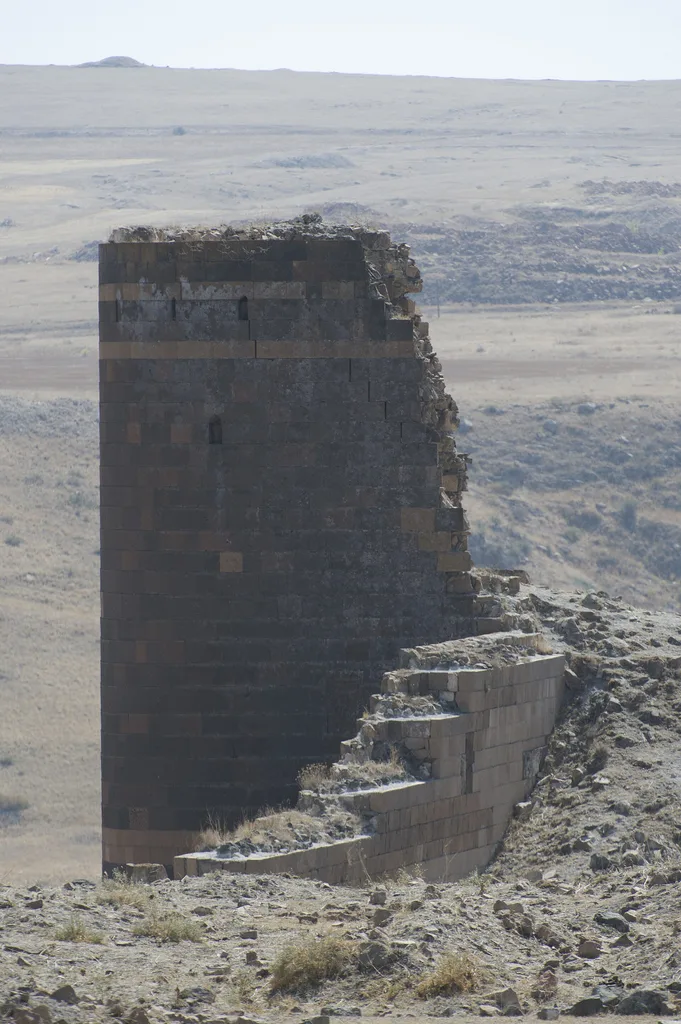
Ani: the Capital of the Bagratid Kingdom
Ani is located on the right bank of the Akhurian River, in the north-east of Western Armenia, on the territory of the historical province of Shirak. Armenian historiography links the rise of Ani with the Bagratid kingdom. The Bagratid capital was moved from Kars to Ani under Ashot III the Merciful, in 961. Before that, Ani was one of the important fortresses of Shirak.
Under Smbat II, the son of Ashot III (c. 977–989), the city was surrounded by powerful walls. From that time Ani became not only a political but also a major commercial and cultural center.
The Era of Gagik I
Under Gagik I (c. 989–1020) the Bagratid kingdom reached the peak of its power, and Ani became one of the major cities of the Near East. Stepanos Taronetsi Asoghik, a contemporary of Gagik, presents the events of that era in his work "Universal History".
Under Gagik the central authority and external position of the country were strengthened, crafts and trade developed, and construction expanded. Scholarly estimates of the city's population differ, so we do not give an exact figure.
The Architect Trdat
The most famous architect of the Bagratid era is Trdat. His name is associated with some structures of the monastic complexes of Sanahin and Haghpat, the church of Argina, and the Cathedral of Ani. He worked in Ani under Smbat II and Gagik I. It is known that Trdat went to Constantinople to restore the dome of Hagia Sophia, which had been damaged by an earthquake; this took place at the beginning of the 11th century. This attests to the high regard in which his craftsmanship was held.
The Construction of the Cathedral of Ani
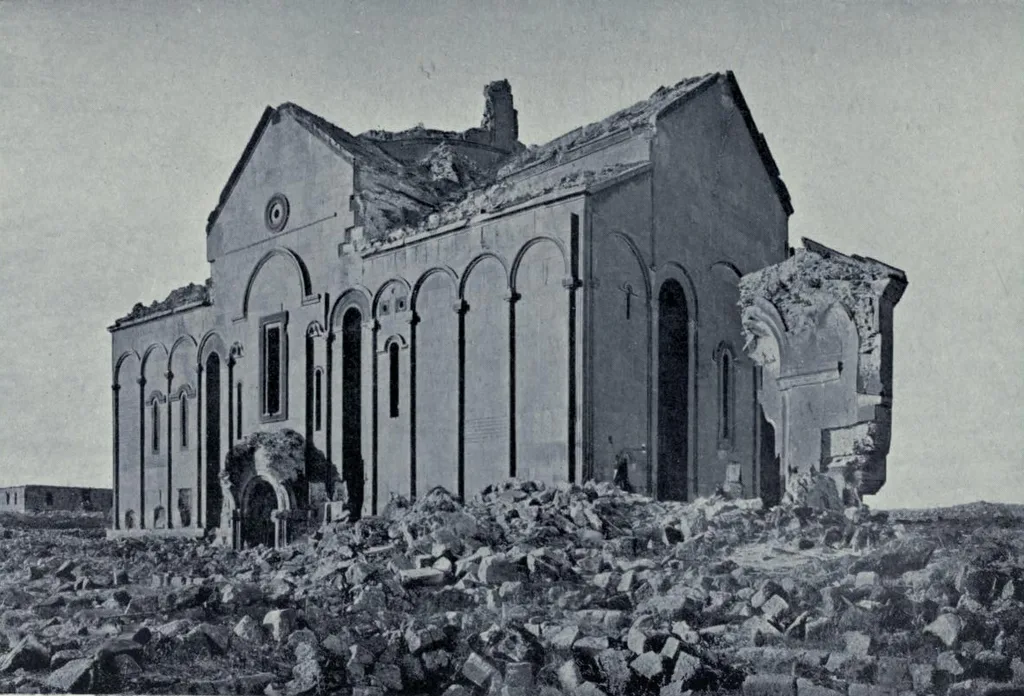
The Mother Cathedral of Ani, the Katoghike church, was built to a design by Trdat. Construction began under Smbat II, in the 980s, was interrupted after his death, and was then completed under Gagik I, in 1001. This chronology is accepted in research on the history of Armenian architecture.
The cathedral is a domed hall type structure that represents the mature period of Armenian medieval architecture. The harmony of its exterior forms, the unity of its interior space, and its system of arches show the high level of architectural thought of the time.
The Fall of the City
After the death of Gagik I the weakening of the kingdom began. The struggle for the throne between Hovhannes-Smbat and Ashot IV, as well as Byzantine pressure, undermined the state. Aristakes Lastivertsi describes the disasters of that period in his work "History". In 1045 Byzantium seized Ani, and the Bagratid kingdom ceased to exist. Later, in 1064, the city was seized by the Seljuks.
The Later Fate of Ani
Ani gradually lost its former importance and was emptied of its population, especially after the Mongol invasions in the 13th–14th centuries. The Katoghike and the other Armenian churches of Ani, St. Gregory of Tigran Honents, the Holy Apostles, and the Holy Savior, as well as the walls, remain among the most important monuments of Armenian national architecture. Today Ani lies outside the state border of Armenia, but for the Armenian people it continues to be a symbol of historical memory and cultural heritage.
Sources
- Stepanos Taronetsi Asoghik — Universal History
- Aristakes Lastivertsi — History
💬CommentsClick to read and leave a comment⌄
No comments yet. Be the first!