
Armenian Urban Architecture in Gyumri and the Black Fortress
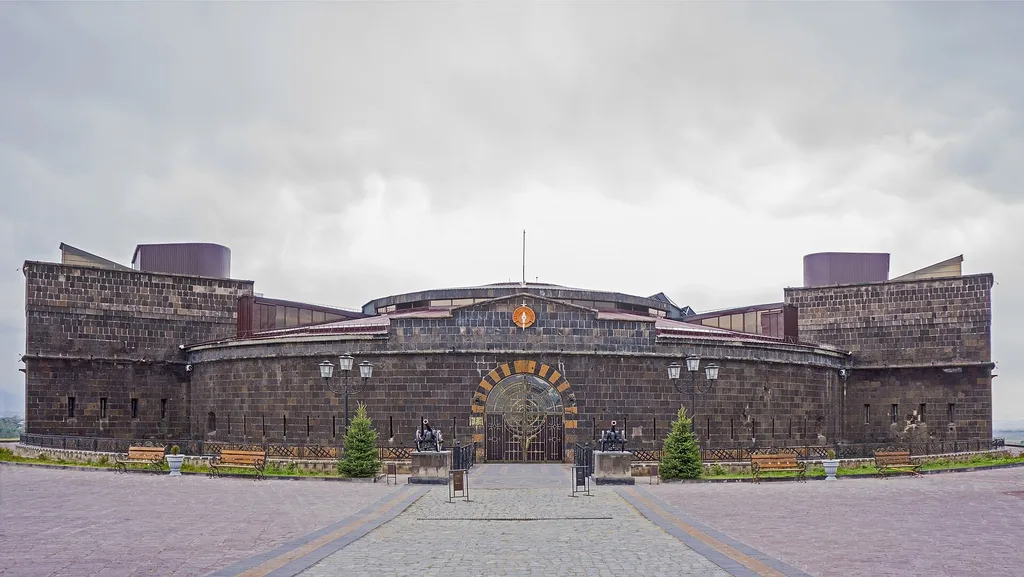
Gyumri: a city written in stone
The historic center of Gyumri is one of the most distinctive monuments of urban architecture in Armenia. The city is known for its streets built of black and reddish tuff, two-story stone houses, arched gateways and courtyards. This environment took shape mainly in the 19th century and the early 20th century, when the city was called Alexandropol. Later it bore the name Leninakan, and since 1990 it has again been called Gyumri.
The city and its names
Gyumri is an ancient settlement where life has continued over the centuries. The name Alexandropol was given to the city in the 19th century, during the period of Russian rule. The architectural face of the city was created by local Armenian masters: stonecutters, masons and stoneworkers, who used the surrounding volcanic tuff. The art of Gyumri's masters is a continuation of the Armenian folk building tradition.
Black tuff and the urban house
The local tuff, black, dark red and yellowish, was easy to work and resistant to climatic conditions. Residential houses, commercial buildings, churches and public buildings were built from this stone. The typical Gyumri building has carved window frames, stone balconies and elaborately finished façades. Here the Armenian urban environment merges the national building tradition with the urban planning solutions of the 19th century.
The Black Fortress
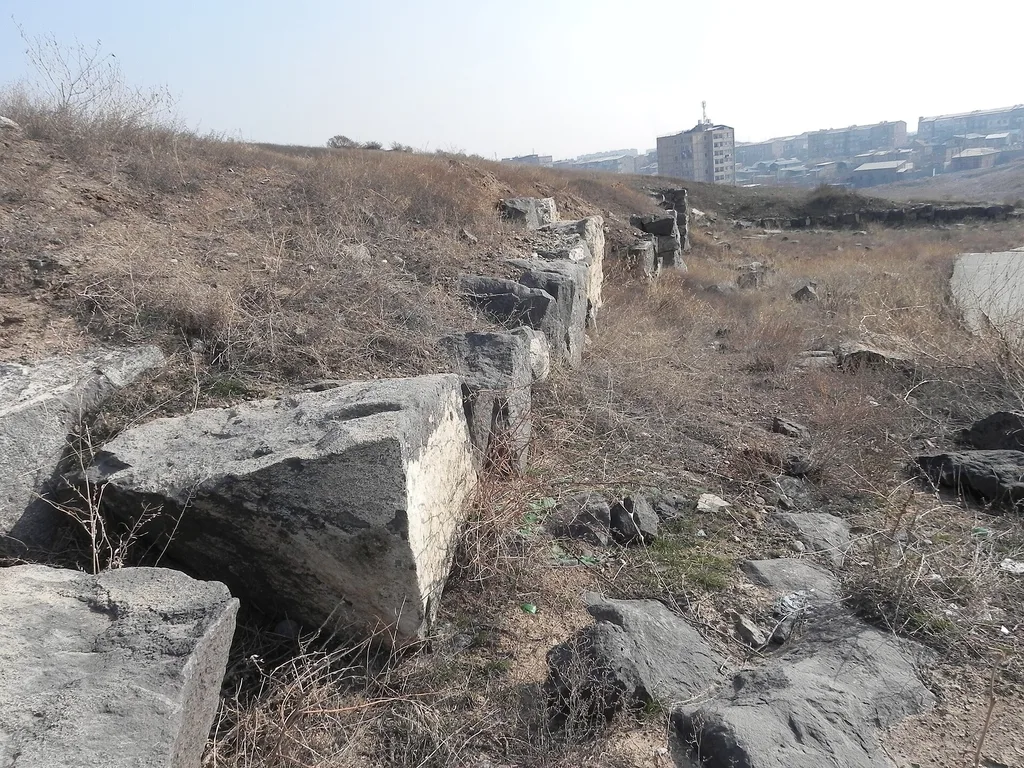
The Black Fortress is one of the symbolic structures of Gyumri. It was built in the 1830s–1840s, under the Russian authorities, and received its name from the dark tuff. The fortress was intended as a military stronghold, but over time it has become an inseparable part of the city's historical image. It is located in the elevated part of the city, and the fortress's thick walls and courtyards still impress visitors today. The area around the fortress later became a place of urban history and memory. It is important as part of Gyumri's tuff-built architecture, although the exact construction details require verification with specialist materials.
The Armenian school and urban culture
In the 19th century Alexandropol became one of the centers of Armenian merchants, craftsmen and intellectuals. The city had Armenian parish schools, public associations and a theatrical life. Gyumri is also known for its ashugh and musical traditions, as well as its tradition of poets, painters and actors. The humor of the people of Gyumri and their distinctive dialect have become a recognizable part of Armenian culture. The buildings allotted to schools were likewise built of local stone and formed an organic part of the city's architectural environment.
The 1988 earthquake
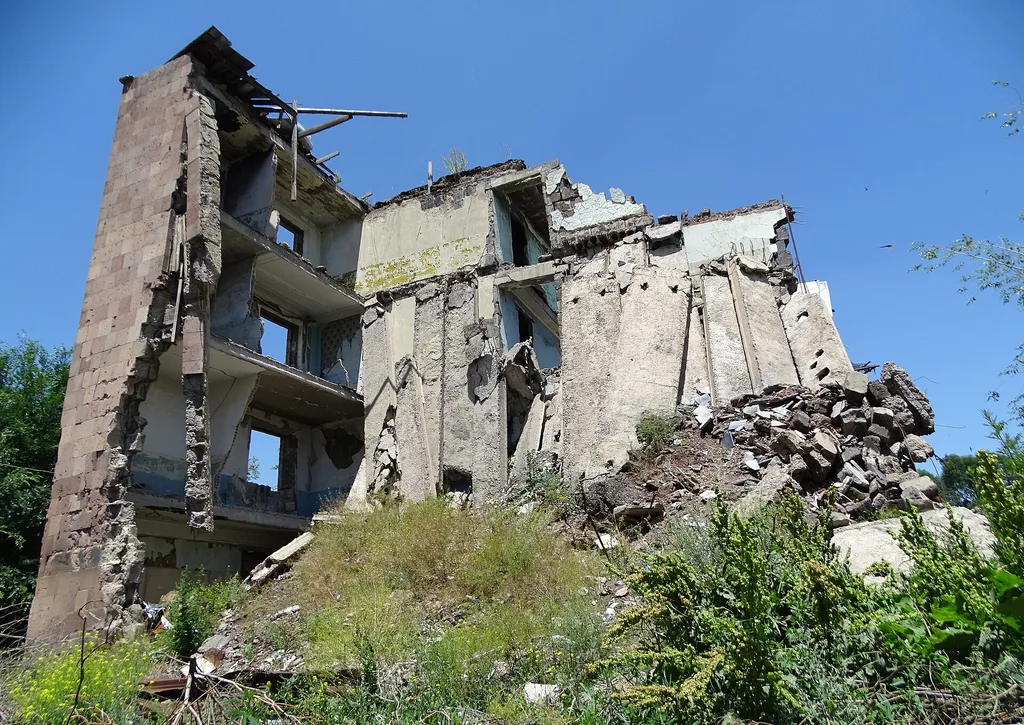
On December 7, 1988, the devastating Spitak earthquake dealt a heavy blow to Gyumri. The city suffered great destruction, thousands of people were killed, and many were left without shelter. Historic buildings were also damaged. The exact figures of the victims and the damage are given differently in different sources, so they are not cited here.
Restoration and preservation
After the earthquake, preserving Gyumri's historic center became an important task. Many buildings have been restored, while others continue to await renovation. In restoration work it is important to preserve the use of tuff, the characteristic features of the façades and the city's historic street network. The preservation of monuments is connected not only with construction but also with national memory: the history of Armenian urban life has been preserved in these buildings.
Gyumri today
Today Gyumri is considered one of the cultural capitals of Armenia. Its streets, museums, churches and restored houses attract the attention of tourists and lovers of architecture. The city's architecture testifies to the skill of Armenian masters, while its revival after the earthquake testifies to the will and attachment of its residents.
Sources
- Armenian Soviet Encyclopedia — the article "Gyumri (Leninakan)"
- History of the Armenian People — multi-volume publication
💬CommentsClick to read and leave a comment⌄
No comments yet. Be the first!