
The Arin Berd Archaeological Complex: Erebuni's Neighbor
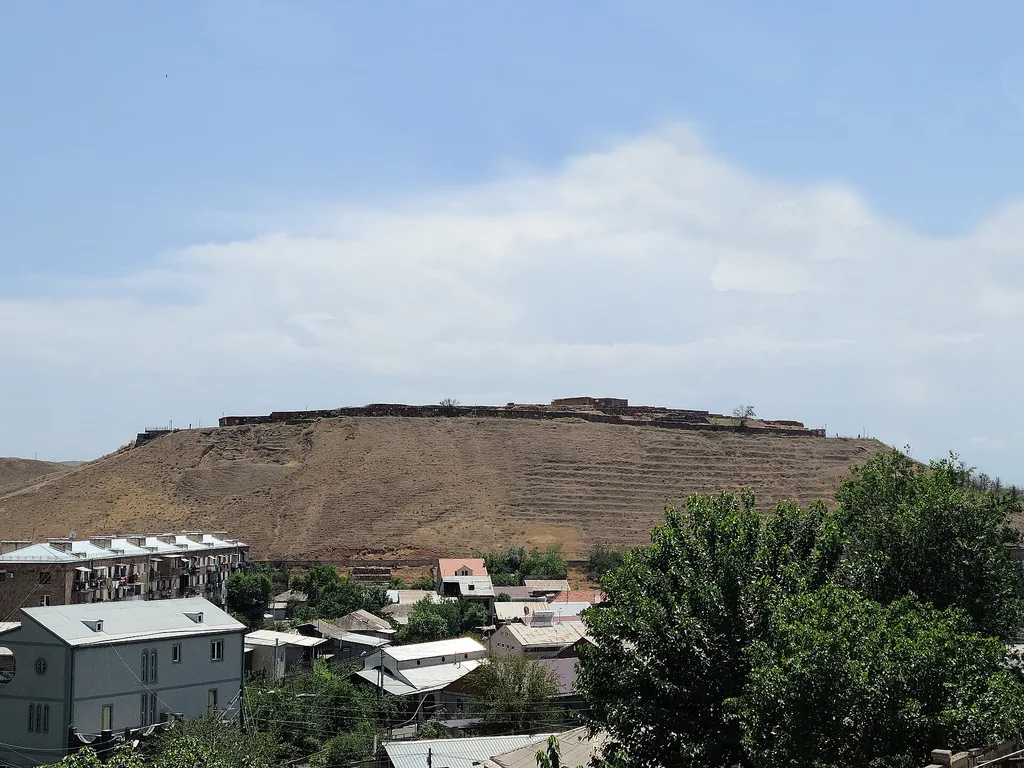
Arinberd: The Ancient Witness of Yerevan
Arinberd is a hill in Yerevan's Erebuni administrative district. The ruins of the Erebuni fortress stand on its summit. The archaeological complex links the present-day life of the capital with the ancient history of the Armenian Highland. This is what makes Arinberd an important testimony to Armenian statehood and urban planning.
The Founding of Erebuni
The Erebuni fortress was founded by King Argishti I in 782 BC. This is recounted in a cuneiform inscription discovered on the hill. In the inscription the fortress is called Erebuni. Armenian historians regard this name as one of the ancient forms of the name Yerevan, and the calculation of Yerevan's founding date is based precisely on it. In 1968 the city celebrated its 2750th anniversary.
The Excavations
Systematic excavations at Arinberd began in 1950, and the work continued for decades. The excavations uncovered:
- a palace complex with numerous rooms and columned halls,
- the temple of the god Khaldi,
- storerooms with huge jars intended for grain, wine and oil,
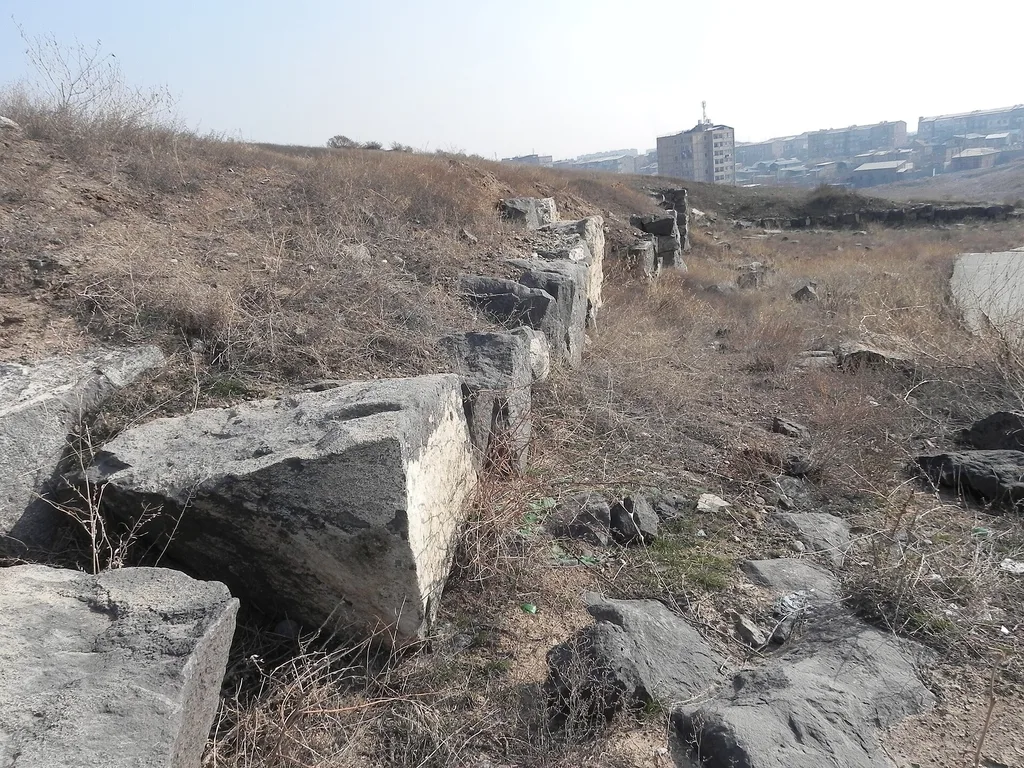
- a system of walls and towers,
- wall paintings in the palace halls, featuring geometric and animal motifs.
These finds show that Erebuni was at once a military fortress, an administrative center and an economic base in the Ararat plain.
Inscriptions and Material Culture
Cuneiform inscriptions have been discovered on the territory of the fortress, and they are an important source for studying the activities of the kings of that period. Jewelry, weapons and household items have also been found. They show the level of the country's craftsmanship and trade ties. Some of the finds are displayed today at the Erebuni Historical and Archaeological Museum-Reserve.
Neighboring Monuments
Arinberd is not the only archaeological site in the Erebuni district. Nearby is Karmir Blur, where the remains of the city-fortress of Teishebaini are located. It was built during the reign of King Rusa II, in the first half of the 7th century BC. The excavations of Karmir Blur uncovered workshops, storehouses and a large quantity of agricultural supplies. Also within Yerevan is the Early Bronze Age settlement of Shengavit (4th–3rd millennium BC). It shows that this land was inhabited much earlier than the founding of Erebuni.
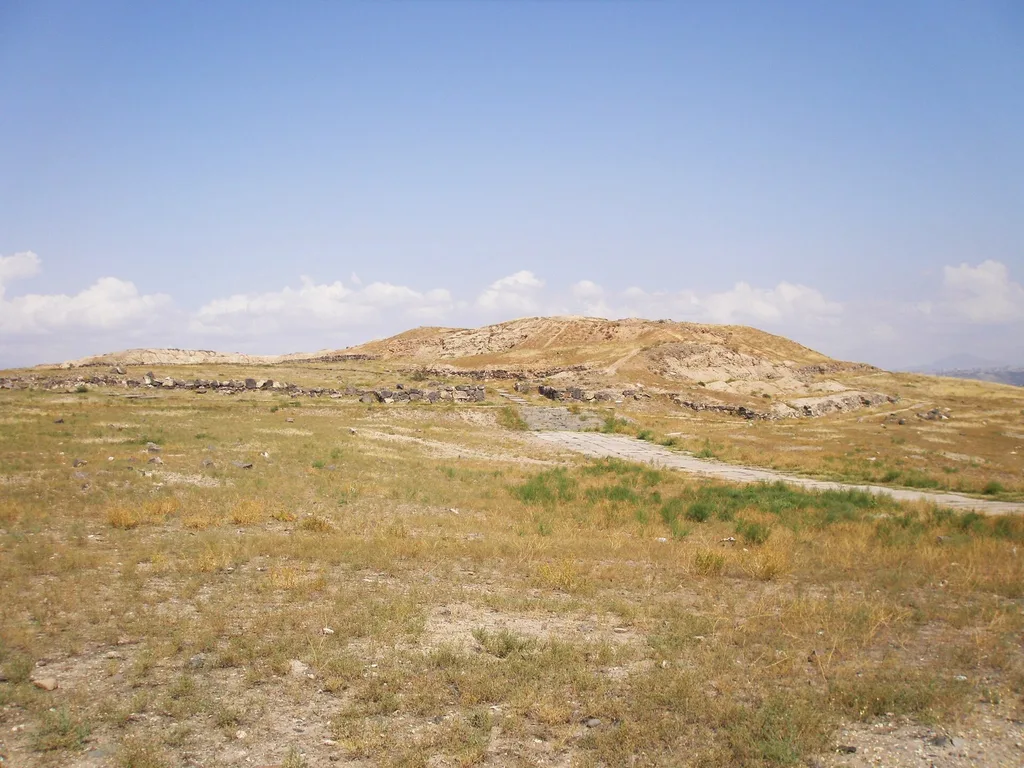
Significance Today
For researchers, Arinberd is an important source of information about early Armenian statehood, local culture and that period. For citizens, it is a symbol of Yerevan's identity and antiquity. From the ruins of the fortress standing on the hill, a view opens onto the city and Masis. The preservation and study of this site continue as part of the historical memory of the Armenian people.
Sources
- History of the Armenian People, vol. 1 (Institute of History, National Academy of Sciences of the Republic of Armenia)
- Armenian Soviet Encyclopedia
💬CommentsClick to read and leave a comment⌄
No comments yet. Be the first!