
Bagratids and Cilicia

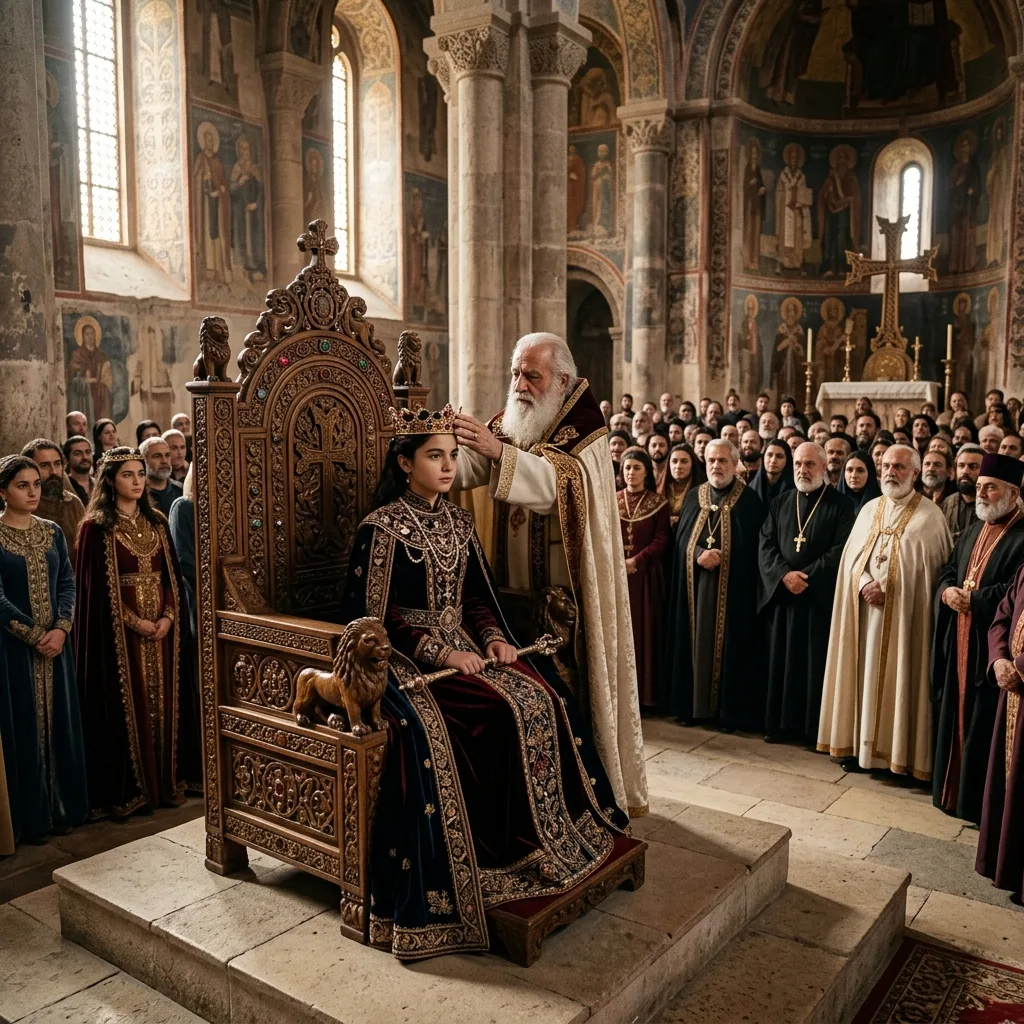
Queen Zabel: The throne inherited by the child

Queen Zabel: The throne inherited by the child

Introduction: In the history of the Armenian Kingdom of Cilicia, the figure of Zabel holds a unique place. She ascended the throne not by conquest or election, but because her father had no male heir. Her biography was almost entirely determined by the decisions of others—regents, councils of nobles, and exter...

08.08.2026·MaSIS TV
Zakare and Ivane Zakaryans: two brothers and the return of Ani

Zakare and Ivane Zakaryans: two brothers and the return of Ani

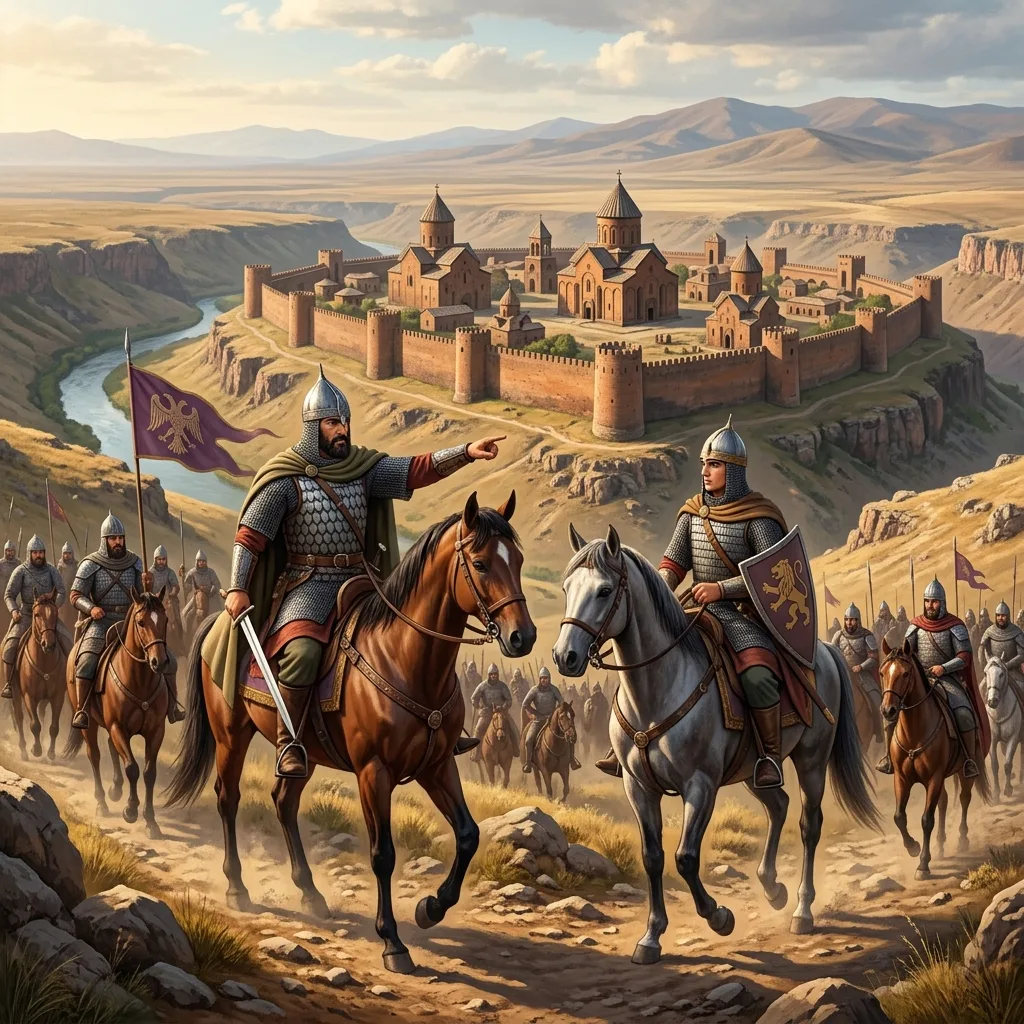
Introduction At the end of the 12th century, there was no statehood of its own in Eastern Armenia. The Bagratuni kingdom had fallen long ago, Ani was in the hands of the Shaddadid emirs, and a part of the Armenian nobility had migrated to Georgia and was serving at the Georgian court. It was from the environment of this migrated nobility that came th...

06.08.2026·MaSIS TV
Mkhitar Gosh: laws for a state that did not yet exist

Mkhitar Gosh: laws for a state that did not yet exist

Introduction A code is usually written by the state for its courts. In the case of Mkhitar Gosh, it was the opposite: he wrote a book of laws at a time when Armenian statehood in Eastern Armenia was in the phase of restoration, and a significant part of the Armenian population lived under foreign rule. It was this circ...

05.08.2026·MaSIS TV
How Cilicia received the royal crown and became the trade gateway of the East and West

How Cilicia received the royal crown and became the trade gateway of the East and West

In June 1098, when Antioch finally fell, the Crusaders did not know that the Armenian princes who had come to their aid in the Taurus Mountains had just laid the foundation of a state destined to last for almost three centuries. Constantine I Rubinyan received the titles of count and baron. The titles themselves meant little. Import…

28.07.2026·MaSIS TV