
Zakare and Ivane Zakaryans: two brothers and the return of Ani
Introduction
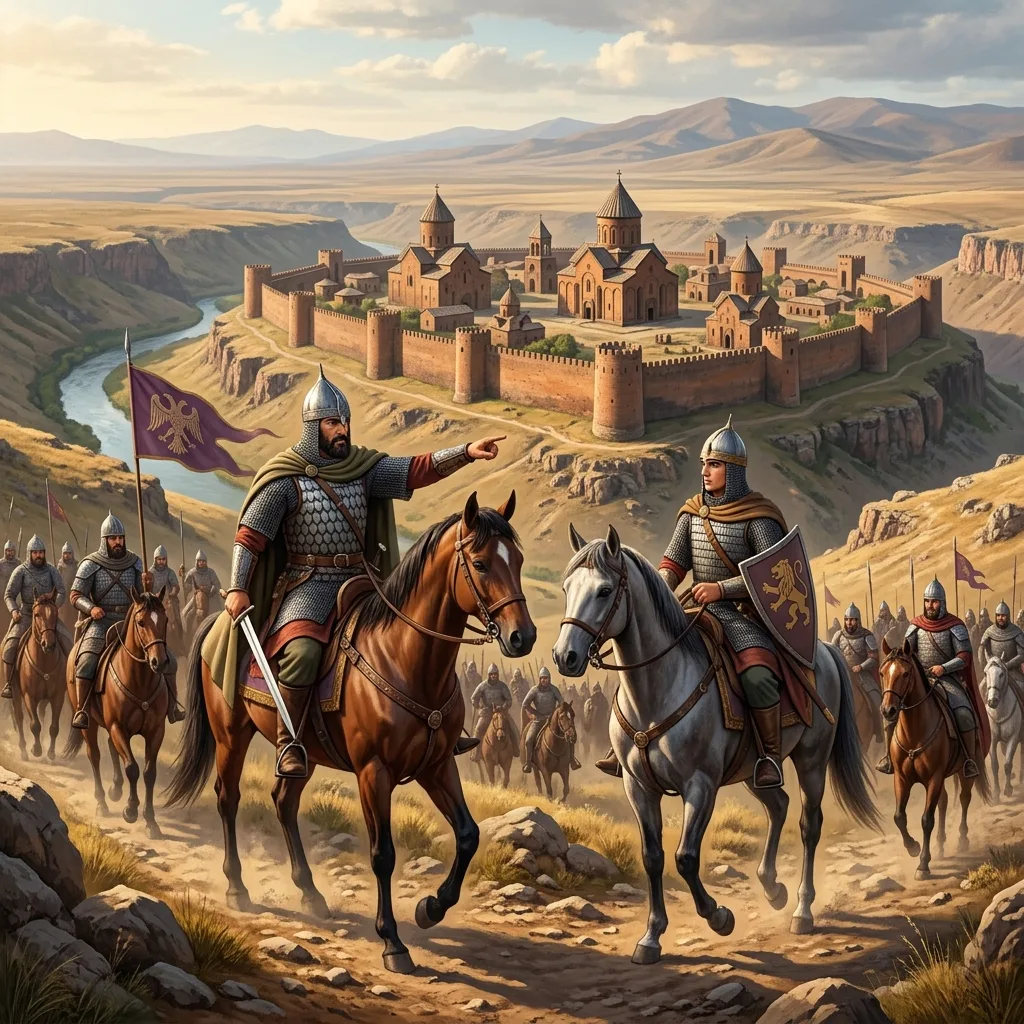
At the end of the 12th century, there was no statehood of its own in Eastern Armenia. The Bagratuni kingdom had long fallen, Ani was in the hands of the Shaddadid emirs, and a part of the Armenian nobility had migrated to Georgia and served at the Georgian royal court.
It was from this migrated nobility that two brothers came, who in the course of twenty years changed the political map of the region: Zakare and Ivane.

In this article, we present their history based on Armenian primary sources and present in a separate section the issues on which the data differ.
Family and Rise
The brothers' father, Sargis Zakaryan, was the first to receive the highest military post in the Georgian court: amirspasalar, i.e., commander-in-chief of the armed forces.
A few years after their father's death, in 1191, Queen Tamar appointed Zakare to that post. From the same year, Ivane also received a high position at court, and later became an atabeg—guardian and tutor of the heir to the throne.
In 1203, Zakare also received the office of mandator-tukhutsesi—royal keeper of the seal and head of the queen's bodyguard. These accumulated offices made him one of the most influential figures in the Georgian Bagratuni state.
In Armenian inscriptions, the brothers are remembered as "amirspasalar of the Armenians and Georgians".
Liberation Wars
Military operations began in 1195.
Shamkor direction: In the battle between Gandzak and Shamkor, the Armenian-Georgian forces won a victory. After that, Aragatsotn and Gegharkunik were liberated.
Amberd: One of the first major victories was the capture of the Amberd fortress. In the inscription left right after this event, Zakare references the origin of his dynasty.
Ani: The liberation of Shirak implied the capture of Ani. The city finally passed into the hands of the Zakarians, putting an end to the rule of the Shaddadid emirate, which had lasted with interruptions since 1064.
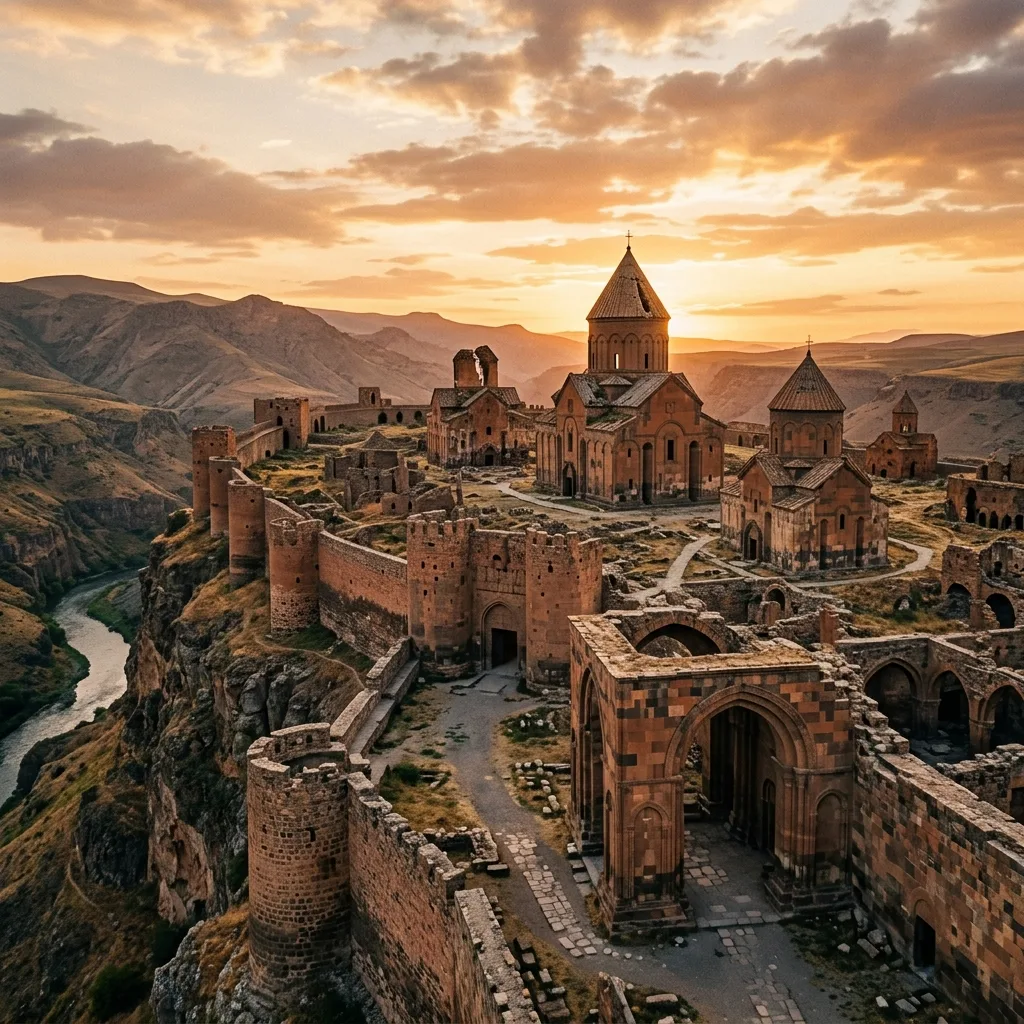
Important clarification: the date varies in the sources—both 1198 and 1199 are found. The most common mention is the year 1199.
Dvin: In 1203, the troops of Zakare and Ivane entered Dvin.
Expansion: After the liberation of the Ararat plain, the battles spread to Vayots Dzor, Syunik, and Artsakh. Kars and Basen also became part of the principality.
In total, the brothers fought against the Seljuk emirates for more than twenty years.
The Zakarian Principality
On the basis of the liberated territories, the Zakarian Principality was formed, with Ani as its center.
The principality formally remained part of the Georgian Bagratuni state, but in fact enjoyed broad autonomy. The senior representative of the dynasty resided in Ani and bore the title of "shahanshah", occupying the first position in the Georgian state after the king.
This period became the last flourishing of Ani. The city was a major craft and commercial center, with developed metallurgy, construction crafts, pottery, and the art of manuscript writing.
Zakare and Church Life
Zakare also enjoyed great authority in Cilician Armenia and held negotiations on theological matters with Levon II.
At his initiative, the church councils of Lori (1205) and Ani (1207) were convened. In these undertakings, he was assisted by his confessor, Mkhitar Gosh.
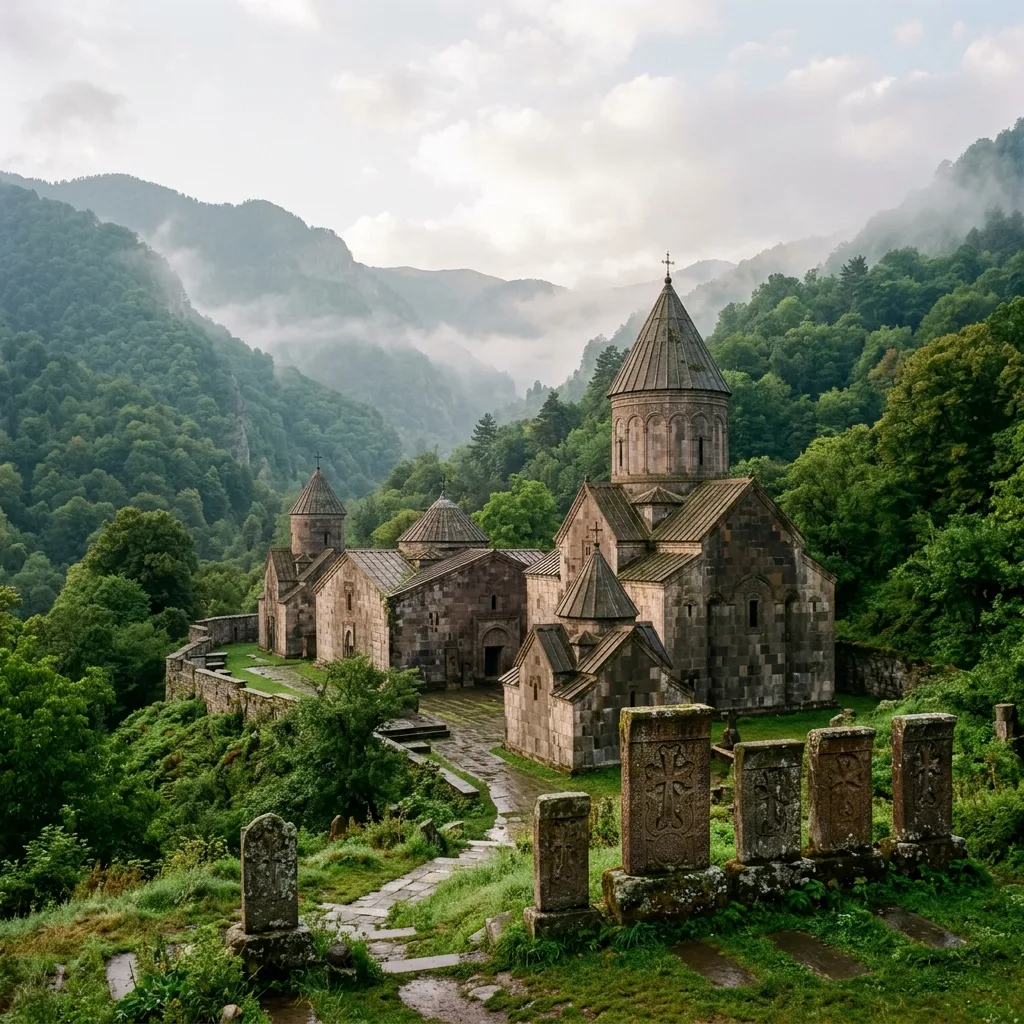
It was under the patronage of Zakare and Ivane that the Nor Getik monastery was built in 1188, which was later renamed Goshavank.
Controversial Issues
1. Origin of the Dynasty
This is the most debated issue.
After his victorious campaigns, Zakare often left inscriptions confirming his Armenian origin. In the inscription left after the liberation of Amberd, the descent of the Zakarians from the Artsrunis is referenced.
In Georgian sources, the dynasty is known by the name Mkhargrdzeli, which in Georgian means long-armed. In Armenian tradition, Zakare is also called Long-armed (Yerkynabazuk).
There are various views among researchers regarding the initial origin of the dynasty. The most accurate formulation is: the brothers themselves declared that they were descended from the Artsrunis, and this is documented in their own inscriptions, while the question of their earlier origin remains a subject of debate.
2. Difference in Confession
Zakare remained a follower of the Armenian Apostolic Church. Ivane embraced the Georgian Orthodox confession.
This difference had important consequences: under Ivane's patronage, some monasteries converted to the Chalcedonian confession, which created tension in local church life.
The sources do not provide a direct explanation for the motives of conversion; both political-career and personal-religious interpretations have been proposed by researchers.
3. Date of the Liberation of Ani
1198 or 1199. Both dates are found in authoritative publications.
4. Attribution of Military Operations
Some of the sources present the operations as a campaign of the Georgian army with the participation of Armenian detachments, while others present them as a war of liberation led by Armenian princes with Georgian support. In reality, we are talking about united Armenian-Georgian forces, and the emphasis depends on the tradition of the source.
What Happened Next
The prosperous period of the Zakarians was interrupted by the Mongol invasion.
In 1236, the Mongols besieged and captured Ani. The rebellions of the inhabitants of Ani in 1249 and 1260 failed. The city survived as a settlement until the middle of the 14th century, but never regained its former significance.
Conclusion
The story of the Zakarian brothers is a rare example where statehood is restored not through royal inheritance, but through military and administrative careers at a foreign court.
They started as servants of the Georgian queen and ended as shahanshahs residing in Ani. And the fact that the two brothers had different confessions and yet fought side by side for twenty years is in itself the best indicator of the complexity of that era.
Sources
- Kirakos Gandzaketsi, "History of Armenia"
- Vardan Areveltsi, "History"
- Stepanos Orbelian, "History of the Province of Sisakan"
- Zakare Zakarian's construction and victory inscriptions: Amberd and other places
- "Kartlis Tskhovreba" (Georgian Chronicles)
- Armenian Soviet Encyclopedia, article "Zakarians"
- Publications of archaeological excavations of Ani

💬CommentsClick to read and leave a comment⌄
No comments yet. Be the first!