
Odzun Monastery and the Church of the Holy Mother of God in Lori
Odzun in Lori: the historical significance of the monastery and church
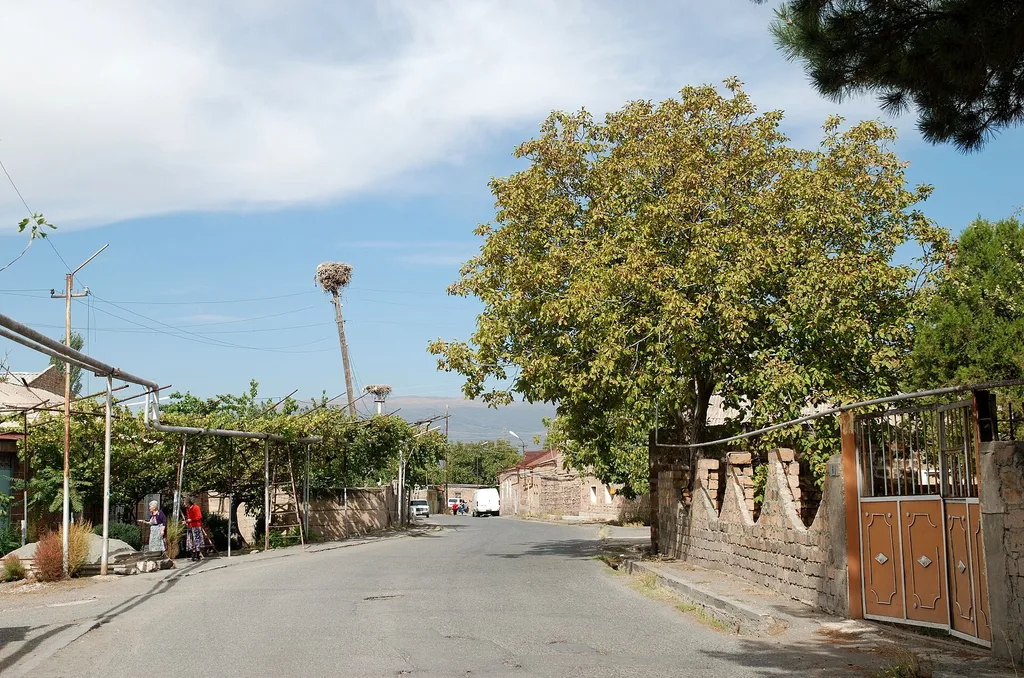
Odzun is one of the oldest settlements in the Lori Province, located near the gorge of the Debed River, on the edge of the Lori plateau. Here stands the Church of the Holy Mother of God (Surb Astvatsatsin), one of the notable monuments of early medieval Armenian architecture. Over time, the monastery's structures have been distinguished by their architectural as well as cultural and ecclesiastical significance.
The Church of the Holy Mother of God
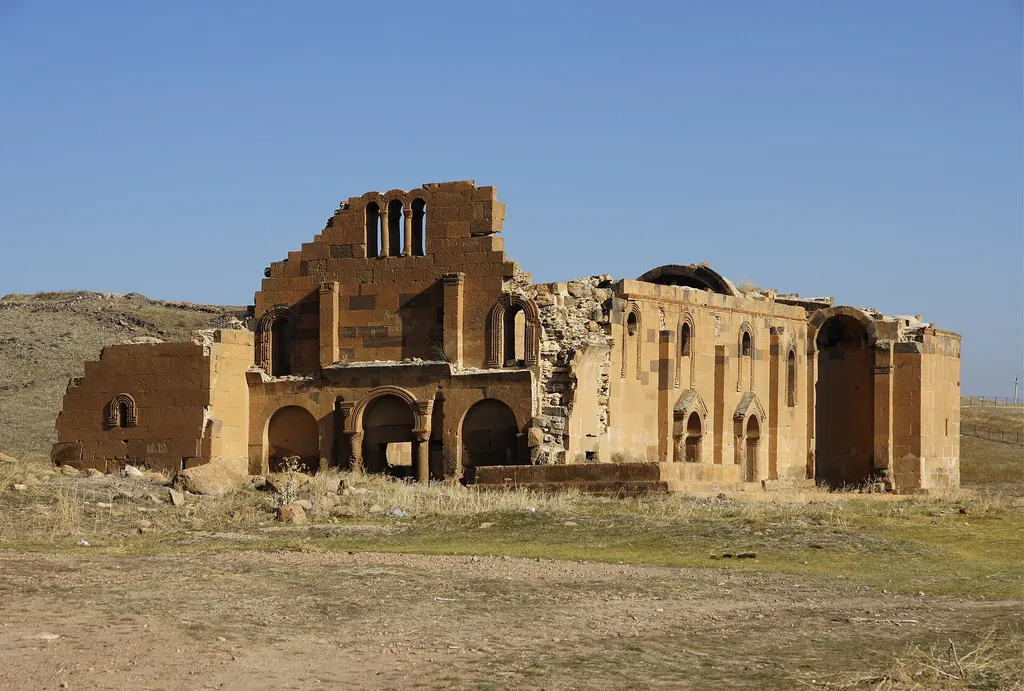
The Church of Odzun is a three-nave domed basilica. In the history of Armenian architecture, it is considered an important link in the development of domed basilicas. In Armenian architectural studies, the church is usually dated to the early Middle Ages, approximately the 6th–7th centuries, although specialists' opinions on the dating are not unanimous.
The building's exterior volume and interior space are distinguished by severity and majesty. It is built of local stone, and its proportions testify to the maturity of the Armenian building school.
Catholicos Hovhannes Odznetsi
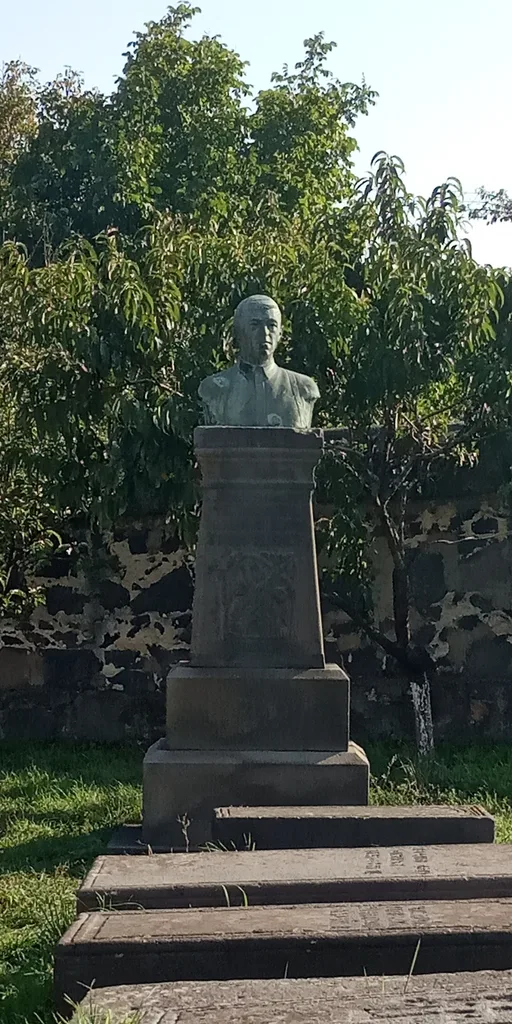
Odzun is associated with the name of Hovhannes III Odznetsi, who was Catholicos of the Armenian Apostolic Church at the beginning of the 8th century. His epithet "Odznetsi" is linked with the village of Odzun. He is known as the author of ecclesiastical canons and theological works, as well as for his activity connected with the church council of Dvin (the council was convened in 719 or 720). During his activity he struggled for the unity of the church and the purity of doctrine.
According to tradition, the Catholicos withdrew to the Odzun monastery in the last period of his life and was buried here (Armenian sources consider Odzun to be the place of his death, while Britannica gives Dvin). This tradition links the monastery with an important figure in the history of the Armenian Church.
The Odzun Monument
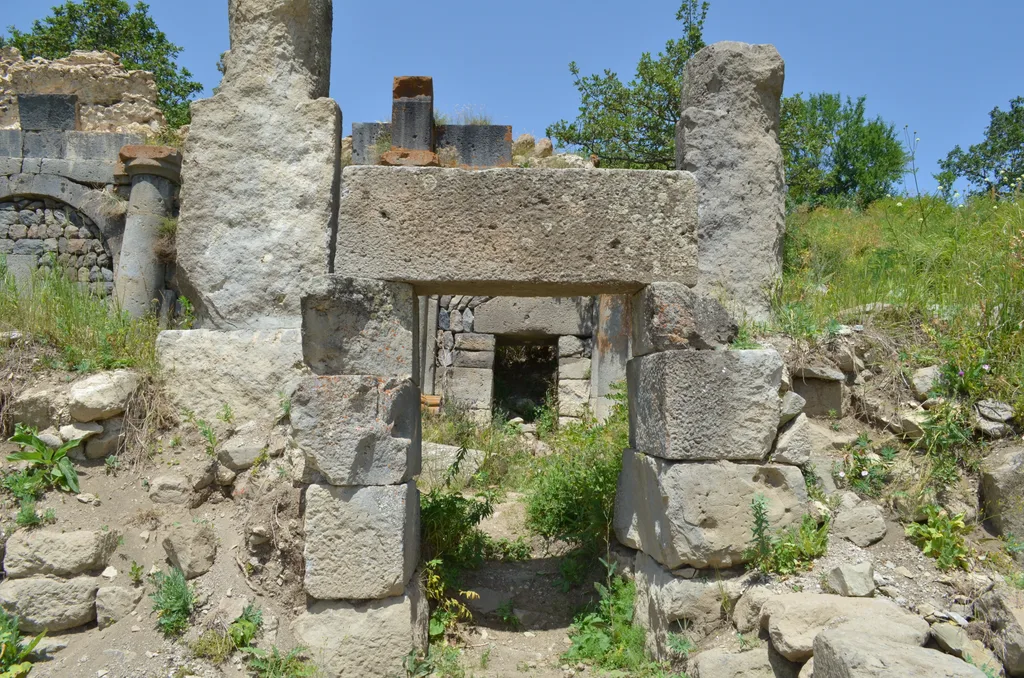
The "Odzun Monument" is the name of the distinctive structure standing next to the church, which is dated to the 5th–6th centuries (that is, it predates the era of Hovhannes Odznetsi), and it is linked with his tomb only according to tradition. It is an arched structure whose columns and pilasters bear carvings; the parts decorated with human figures and floral ornaments stand out. The dating and significance of the monument have been discussed by Armenian art historians; it is considered a rare combination of architecture and sculpture in medieval Armenian art.
Khachkars and surrounding structures
Around the monastic complex, khachkars and other monuments have been preserved, which testify to the continuous life of the place over the centuries. Scholars of Armenian church architecture regard Odzun as a significant spiritual and cultural center of the Lori Province.
Significance today
The Odzun monastic complex is an inseparable part of the architectural heritage of the Armenian people. It presents the stages of development of Armenian church building in the early Christian period and recalls the role of historical figures of the Armenian Church. Today Odzun is a place of pilgrimage and tourism, which requires care and preservation.
Sources
- Armenian Soviet Encyclopedia
- History of the Armenian People
💬CommentsClick to read and leave a comment⌄
No comments yet. Be the first!