
Mashtots's Tomb and the Saint Mesrop Mashtots Church in Oshakan
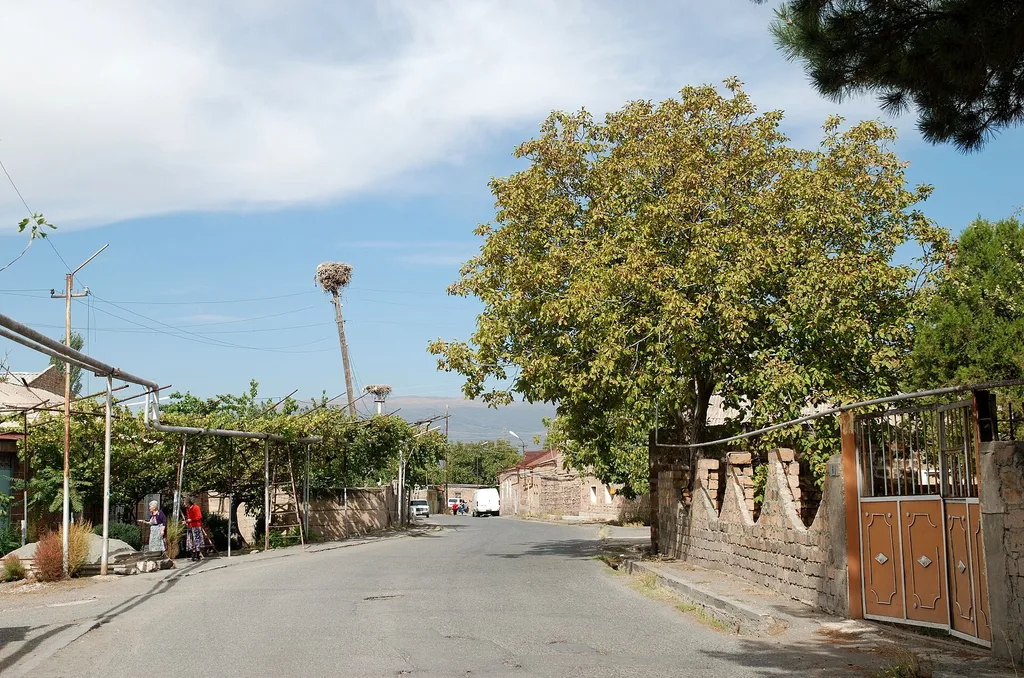
Oshakan: the resting place of the patriarch of Armenian script
The village of Oshakan in the Aragatsotn Province lies about thirty kilometers from Yerevan, about three kilometers south-west of Ashtarak, at the southern foot of Mount Aragats. It holds special significance for Armenian culture: it is the site of the tomb of Mesrop Mashtots, beside which stands the church bearing his name.
The testimony of Koryun
The main primary source on the life of Mashtots is the work «The Life of Mashtots» by his disciple Koryun, written in the 5th century. Koryun tells of Mashtots's activity, the creation of the Armenian script, the founding of schools and translation work. Mashtots died on 17 February 440 (this dating is accepted in Armenian historiography), and he was buried in the village of Oshakan.
According to Koryun, the burial in Oshakan was connected with Vahan Amatuni: he transferred Mashtots's body to his own village and buried him there. A chapel was also built there. This is a testimony from the written sources, which provides grounds for considering Oshakan the burial place of Mashtots.
Tradition and its distinction from fact
It is necessary to distinguish between Koryun's written testimony and the traditions that took shape in later centuries. Koryun's information, that the burial took place in Oshakan, is an early and almost contemporary testimony. The exact location of the tomb and the details of its later preservation are based mainly on tradition. According to tradition, the soil of Oshakan became a place of pilgrimage and for centuries remained a symbol of reverence for Armenian writing and education.
The church named after Mashtots
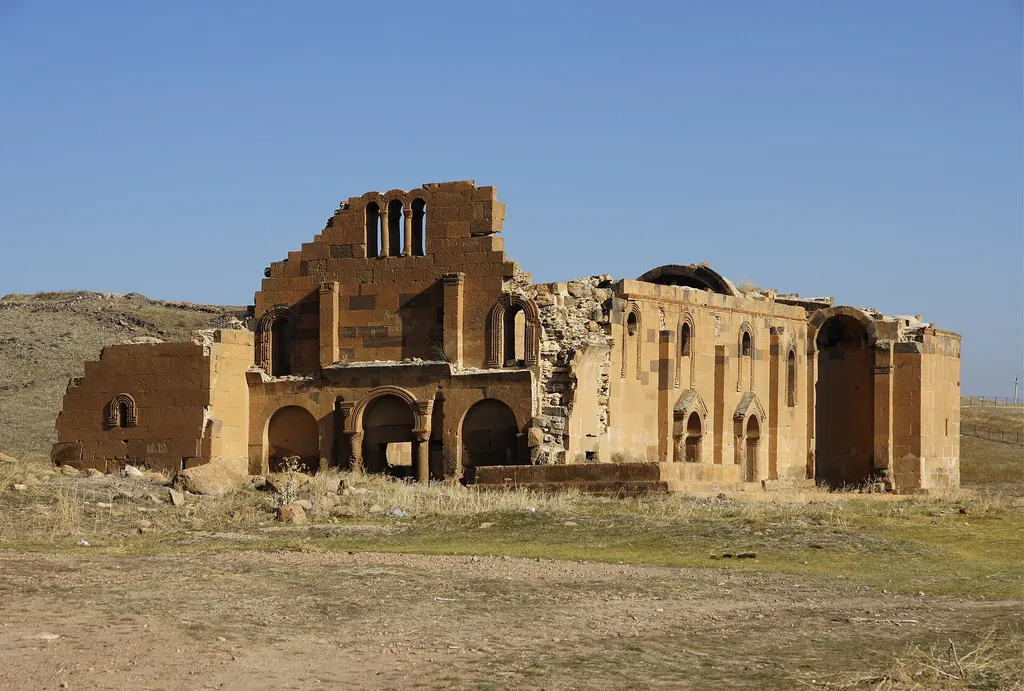
The Saint Mesrop Mashtots Church now standing in the village was thoroughly rebuilt in the last quarter of the 19th century, in 1875–1879, on the site of an earlier church that stood over Mashtots's tomb. It was built near Mashtots's tomb in order to perpetuate his memory. The building is a hall-type church; its construction is linked to the tradition of the 19th-century period of national awakening, when the Armenian public paid special attention to places of cultural memory.
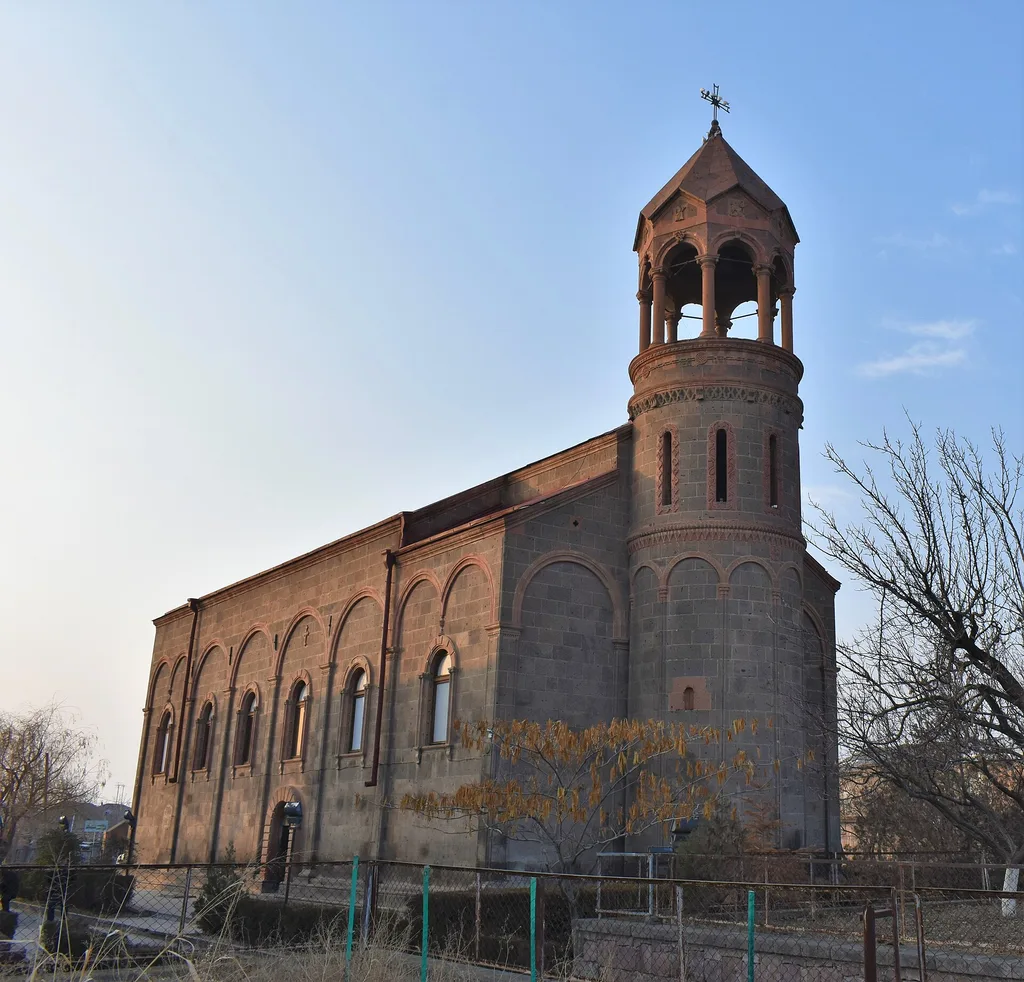
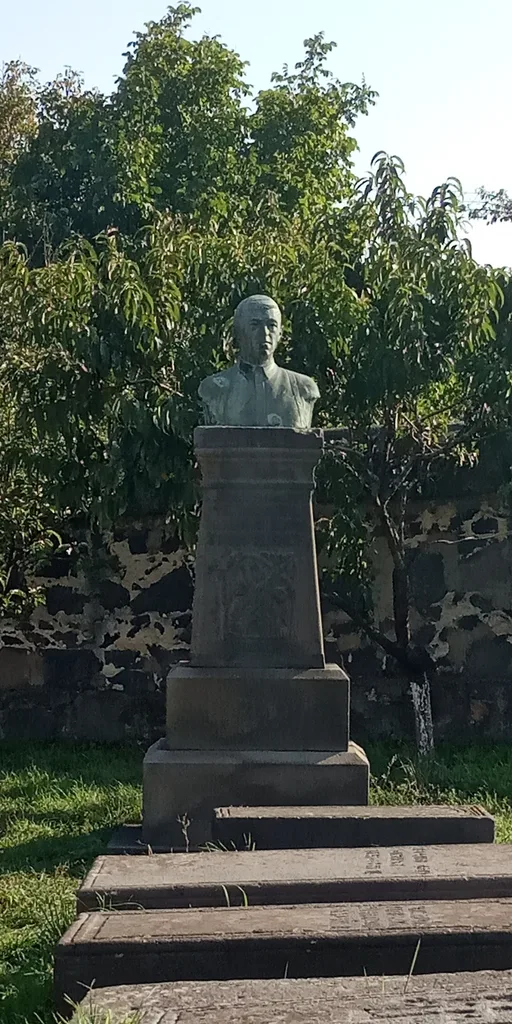
Next to the church is the tomb of Mashtots. It was later renovated and improved, and monuments also appeared in the adjacent area, including the statue of Mashtots, erected during the Soviet years.
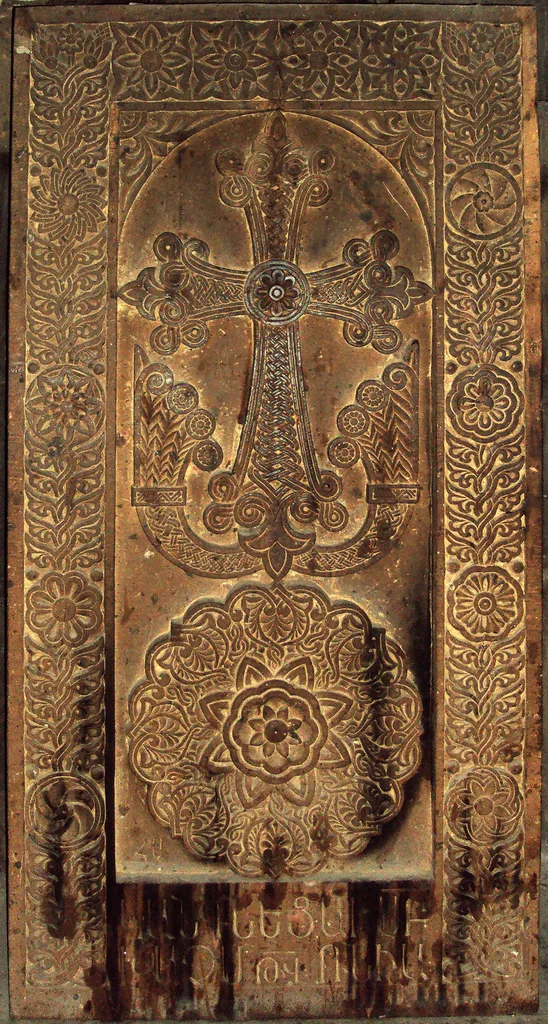
Oshakan and the Feast of the Holy Translators
The memory of Mashtots holds a central place in Armenian culture. The Armenian Apostolic Church ranks him among the saints and celebrates the Feast of the Holy Translators, which honors Mashtots and his collaborators. Every year in Oshakan, especially during the days of the Feast of the Translators, pilgrimages and solemn ceremonies take place. Schoolchildren, scholars, clergy and guests from Armenia and the diaspora come here.
The significance of remembrance
The alphabet created by Mashtots is one of the pillars of the survival and preservation of identity of the Armenian people: thanks to it, Armenian literature was created, from the translation of the Bible to historiography. Oshakan is a living witness of this heritage: here the people not only remember the creator of the script, but also show their reverence for their mother tongue and writing.
The tomb and church of Oshakan are a cultural sanctuary for the Armenian people and an inseparable part of our historical memory.
Sources
- Koryun — The Life of Mashtots
💬CommentsClick to read and leave a comment⌄
No comments yet. Be the first!