
Shushanik Mamikonian and the Tradition of the Armenian Church: The Memory of the Ghevondians and the Vardanants
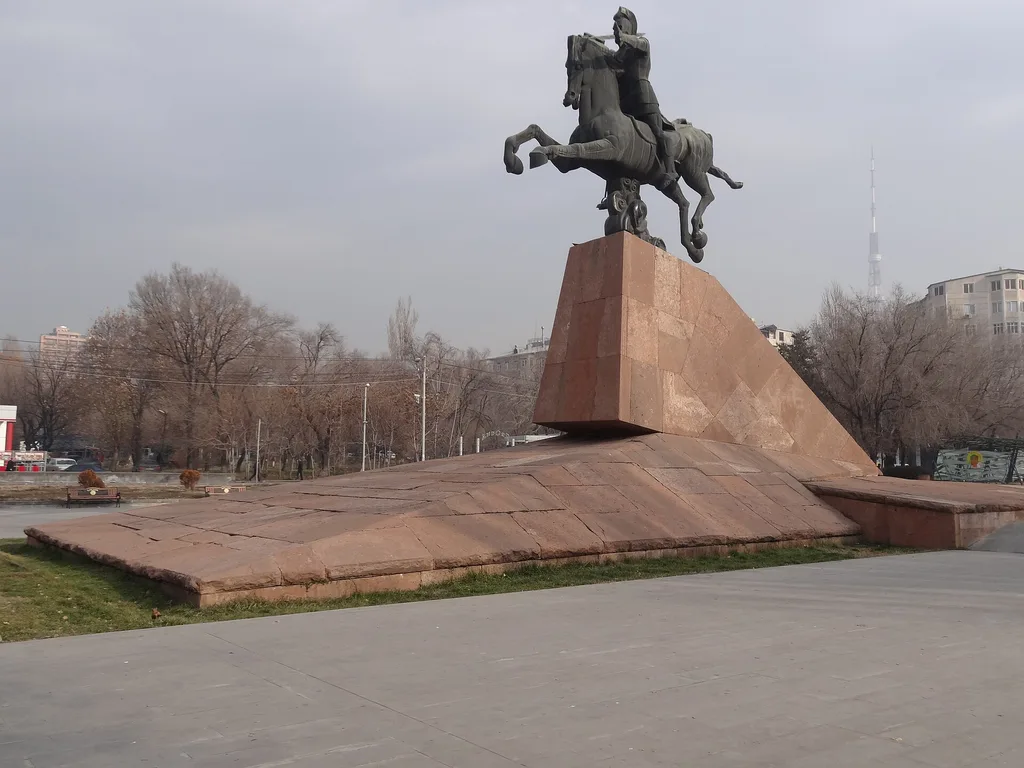
Shushanik Mamikonian and the Tradition of the Armenian Church: The Memory of the Ghevondians and the Vardanants
The course of the Battle of Avarayr in 451 is not the subject of this article. Here the subject is something else: how the Armenian Church turned defeat into remembrance, and remembrance into a pillar of national identity. The main witnesses are the two 5th-century historians, Yeghishe and Ghazar Parpetsi.
Yeghishe's Testimony: War as an Act of Faith
Yeghishe wrote his work, «On Vardan and the Armenian War», shortly after the events, in the 5th century. He presents the Armenian resistance first and foremost as a defense of the faith. His well-known words, «Death not understood is death, but death understood is immortality», express the idea that martyrdom is not a loss. This idea later became the foundation of the tradition of remembrance.
Priests occupy an important place in Yeghishe's work. He relates that the clergy took part in spiritually supporting the people and shared their fate. The Church thus appears not as a distant observer, but as a force bound to the people by a common destiny.
Shushanik Mamikonian: An Example of Fidelity
Shushanik, daughter of Vardan Mamikonian and wife of Vasak of Syunik, is one of the figures in Yeghishe's narrative. Yeghishe relates that when Vasak renounced the Christian faith and accepted the Persian religion, Shushanik did not wish to remain with him and left his house. The historian presents her as an example of a woman firm in faith, who does not yield under pressure. In Armenian ecclesiastical and literary memory, this figure became a symbol of the fidelity of the Armenian woman.
Ghazar Parpetsi: The Continuation of Remembrance
Ghazar Parpetsi, a historian of the late 5th and early 6th centuries, continues this theme in his «History of the Armenians». He describes the uprising of 481–484 led by Vahan Mamikonian, and shows that the memory of Avarayr was alive and inspiring. In Parpetsi's work, the feat of the Vardanants is not a closed page but an example that succeeding generations follow. Vahan's struggle led to the Treaty of Nvarsak (484), by which freedom of religion was restored to the Armenians.
The Memory of the Ghevondians
After Avarayr, the Persian court exiled Armenian clergy. Yeghishe describes in detail the exile of the priests, the sufferings they endured, and their martyrdom. The Armenian Church commemorates this group, associated with the name of the priest Ghevond, as the Ghevondians. The Church preserves the memory of the Vardanants and the Ghevondians together, regarding soldiers and priests equally as witnesses of the faith. This is important because in the remembrance both those who fought with sword in hand and those who stood firm through prayer and testimony receive an equal place.
The Feast of the Vardanants
The Armenian Church celebrates the Feast of the Vardanants before Great Lent, on a Thursday, according to the movable calendar. The feast is dedicated to Vardan Mamikonian and his companions. They have been ranked among the saints, and their memory is linked not merely with victory but with the sacrifice made for faith and homeland. For centuries this feast has remained one of the important days in the spiritual and national life of the Armenian people, and Vardan's name a symbol of self-defense.
The Church and the Preservation of National Identity
After Avarayr, the Church's role had three aspects. The first was memory, as the works of Yeghishe and Parpetsi, as well as the calendar, preserved the names of the martyrs. The second was language, since the historiography and liturgy written in the script created by Mesrop Mashtots made Armenian a language of faith and culture. The third was solidarity: when state independence had weakened, the Church remained the structure that united Armenians. The idea emphasized by Yeghishe and Parpetsi, that preserving faith and identity is a value worth fighting for, became in later centuries one of the pillars of Armenian historical consciousness.
Sources
- Yeghishe — On Vardan and the Armenian War
- Ghazar Parpetsi — History of the Armenians
💬CommentsClick to read and leave a comment⌄
No comments yet. Be the first!