
The Bloody Events of 1905–1906 in Transcaucasia: The Self-Defense of the Armenian Population in Baku, Shushi, and Nakhijevan
Introduction: A Tragic Page of 1905–1906
The revolutionary wave that began in the Russian Empire in early 1905 also caused deep upheavals in Transcaucasia. The weakened authority of the empire and the unreliable stance of the local administration created favorable conditions for inter-ethnic clashes. The Armenian population, living in Baku, Shushi, Nakhijevan and a number of districts of the Erevan Governorate, became the target of mass violence.
The article is based on Armenian historiography, first of all on the approaches of the volume of the "History of the Armenian People" devoted to the events of the early 20th century. The article does not provide figures and details where they are disputed or require additional verification.
Background: The Confiscation of Armenian Church Property
A heavy precondition for the Armenian people was the 1903 decision of the tsarist government to confiscate the property and capital of the Armenian Apostolic Church. That step struck Armenian schools, charitable institutions and community life. Armenian society resorted to broad resistance, and in 1905 the decision was effectively annulled. During this period Armenian political parties, in particular the Armenian Revolutionary Federation, strengthened their influence and the organization of armed self-defense.
The Events in Baku in February 1905
Baku was a major industrial center thanks to the oil industry, and Armenians played a significant role in the city's economic and cultural life. In February 1905, mass attacks against Armenians began in the city and lasted several days. Armenian historiography emphasizes the inaction of the local authorities, and in a number of cases also their active indifference. The information of contemporary Armenian and European eyewitnesses attests to significant casualties and losses among the Armenian population, but exact figures should be taken only from verified Armenian studies.
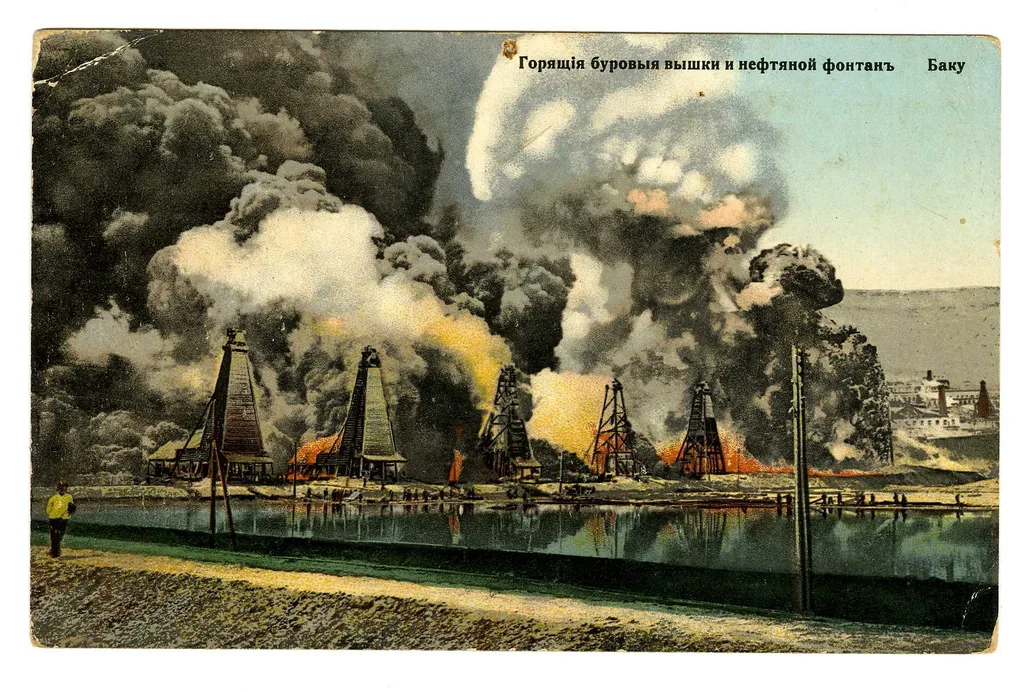
This was followed in September 1905 by a renewed wave of violence, during which fires at the oil wells caused great damage to the city. The Armenian population was in no position to maintain merely a passive stance, so self-defense groups set about defending the neighborhoods.
Nakhijevan and the Districts of the Erevan Governorate
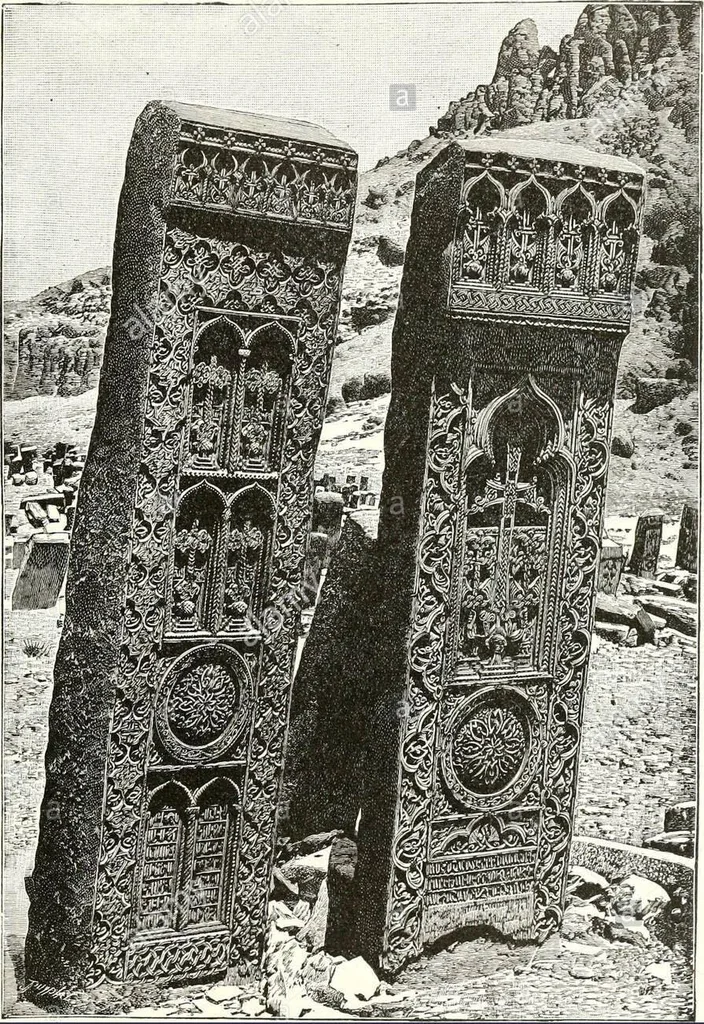
During 1905 clashes also took place in Nakhijevan, Sharur-Daralagyaz, Zangezur and other regions. Nakhijevan is a region of ancient Armenian history, with its churches, monasteries and the renowned tradition of the khachkars of Jugha. Armenian villages there found themselves in a tense situation, and in many places the villagers were forced to take up arms to protect their homes and families. The details, the names of villages and the numbers of victims must be verified from Armenian scholarly studies.
The Shushi Events of August 1905
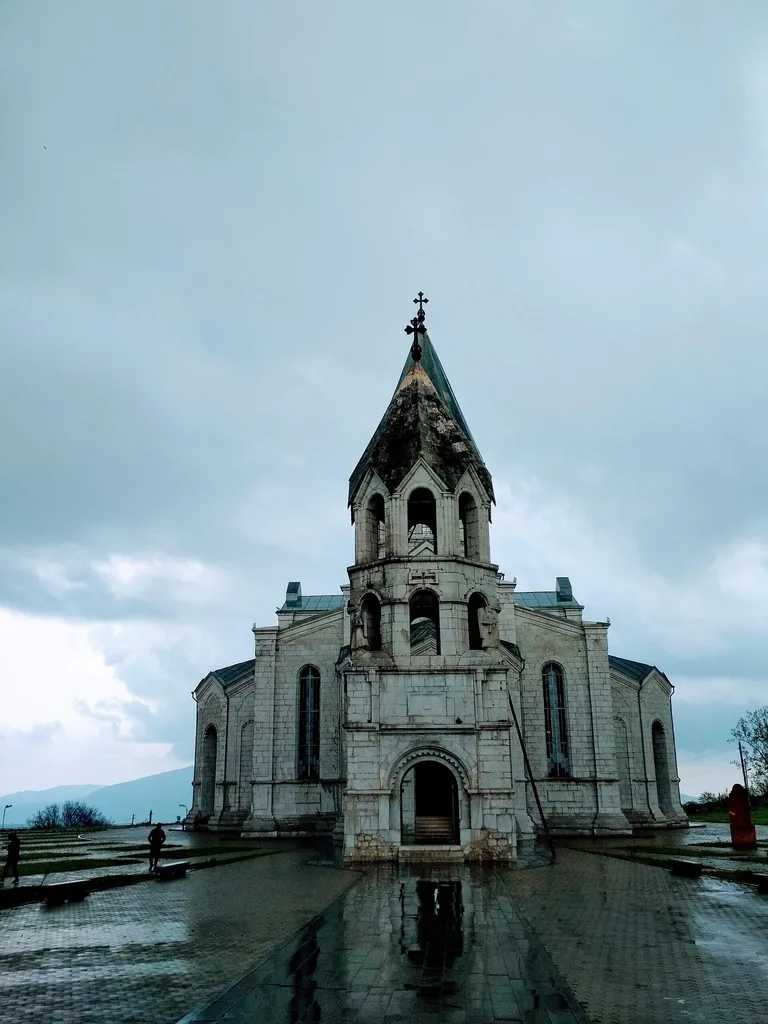
Shushi was the most important city of Artsakh and one of the major centers of Armenian culture, with its schools, printing houses and churches. In August 1905, bloody clashes unfolded in the city, during which the Armenian population organized self-defense. Armenian historiography regards these events as part of a general movement directed against the Armenian population, which the Armenians resisted with their own forces. In 1906 tension continued in various places in Transcaucasia.
The Organization of Armenian Self-Defense
The creation of armed groups, the procurement of weapons and the defensive system of the neighborhoods became the main means of survival for the Armenian population. Armenian political parties, community leaders and the local population played an important role in this work. Self-defense made it possible to prevent greater losses in a number of settlements. At the same time, Armenian historiography notes that the assessments and roles of different parties differ in the details, so they should be studied on the basis of sources.
Armenian public thought in 1905–1906 also sought political solutions, raising before the authorities the demand to ensure security. In various settlements attempts were made to conclude reconciliation agreements, but their stability was limited.
Conclusion
The events of 1905–1906 were a heavy ordeal for the Armenian people: a period of violence, losses and, at the same time, organized self-defense. They showed that the ability to ensure their own security was a vital necessity for Armenian communities. An accurate study of this topic requires a careful comparison of Armenian historiography and archival documents.
Sources
- Institute of History of the Academy of Sciences of Armenia — History of the Armenian People

💬CommentsClick to read and leave a comment⌄
No comments yet. Be the first!