
Ghazar Parpetsi and the Vahanants War of 481–484
Ghazar Parpetsi and His "History of the Armenians"
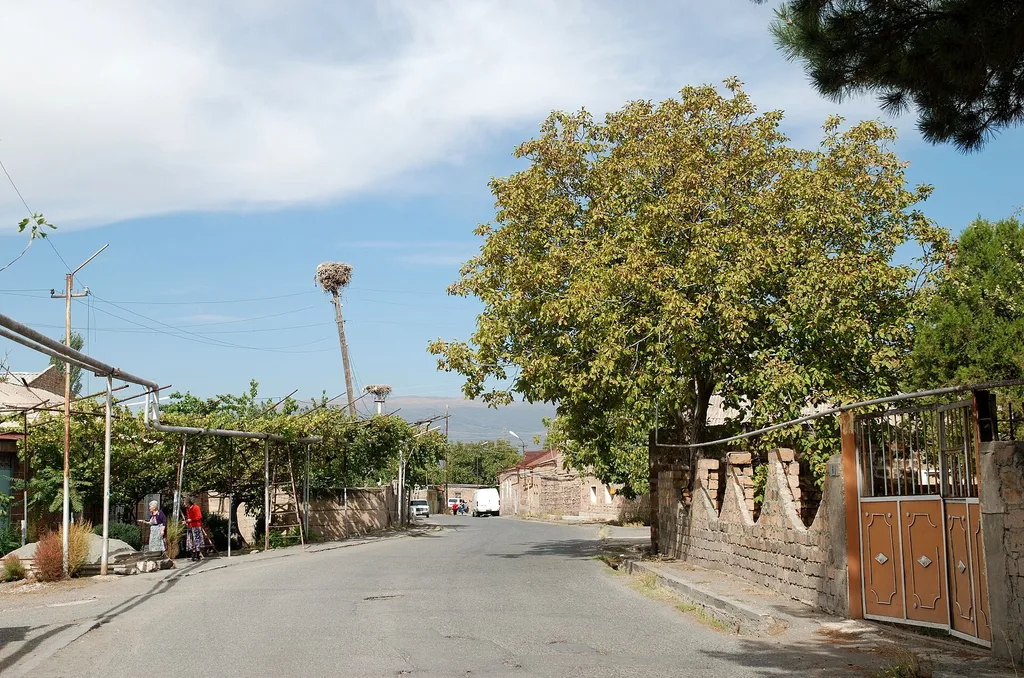
The Armenian historian Ghazar Parpetsi was born around the middle of the 5th century in the village of Parp in the province of Ayrarat and lived until the beginning of the 6th century. He received an education, according to tradition also in Byzantium. Later Vahan Mamikonian, by then marzpan of Armenia, appointed him head of the Monastery of St. Hripsime in Vagharshapat. Parpetsi's "History of the Armenians," written at the request of Vahan Mamikonian, consists of three parts and covers the period from 388 to 485. Parpetsi was a contemporary of the war of the Vahanians, and therefore his work is the principal primary source for those events. Also appended to the work is the author's letter addressed to Vahan Mamikonian.
Background to the War
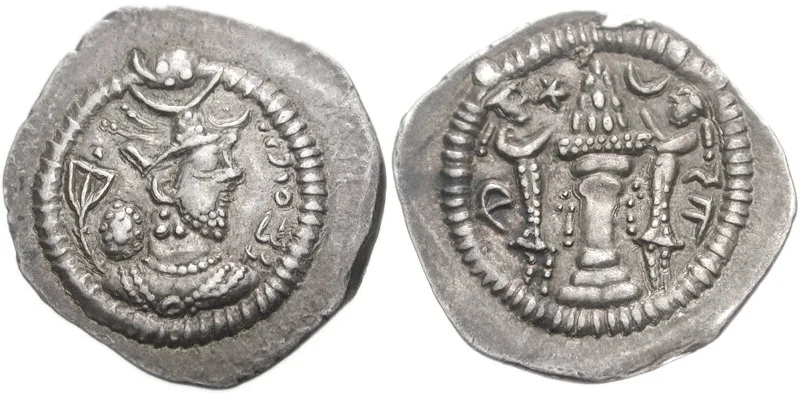
In 451, at the Battle of Avarayr, the Armenians, led by Vardan Mamikonian, resisted the policy of Sasanian Iran to impose Zoroastrianism. Vardan and his companions were killed, but the Armenians continued the struggle and preserved the Christian faith. In the last quarter of the 5th century, during the reign of the Iranian king Peroz, the pressures intensified again, in the form of political and tax burdens as well as religious persecution. Parpetsi also addresses events taking place in neighboring Georgia and Aghvank, since they were closely connected with the Armenians' struggle.
The Beginning of the Uprising
The uprising began in 481. According to Parpetsi's account, the Armenian nakharars, led by Vahan Mamikonian, rose up against Iranian rule for the sake of the Christian faith and the freedom of the country. Parpetsi also gives a significant place to the ties with the Georgian king Vakhtang Gorgasali. The rebels initially achieved successes. Parpetsi emphasizes that the struggle was above all a war for the defense of faith and identity.
The Role of Vahan Mamikonian
Vahan Mamikonian was from the Mamikonian nakharar house, the son of Hmayak, the brother of Vardan Mamikonian. Parpetsi presents him as a commander and nakharar who led the uprising and the military operations. The war was long and difficult and proceeded in different phases. Parpetsi recounts the battles near Akori and Nersehapat, in which the Armenians achieved successes against the Persian forces. Vahan displayed both military ingenuity and diplomatic flexibility.
The Death of Peroz and the Treaty of Nvarsak
A turning point was the year 484, when the Iranian king Peroz was killed in the war against the Hephthalites. His successor Vagharsh (Balash) adopted a new policy and offered peace. In 484 the Treaty of Nvarsak was concluded. According to Parpetsi, Iran recognized the religious freedom of the Armenians: Zoroastrianism would not be imposed on them, and they could freely profess Christianity. After this Vahan Mamikonian was appointed marzpan of Armenia. These details are based on Parpetsi's testimony and are accepted in Armenian historiography.
Outcome and Significance
The Treaty of Nvarsak was a significant victory for the Armenian people. It secured freedom of faith and a certain degree of internal autonomy for Armenia under Sasanian rule. In Armenian historiography, the wars of the Vardanians and the Vahanians are regarded as links in a single chain: the first an example of struggle and sacrifice, the second the realization of the goal. In this period the Armenian Church became a key pillar of national identity, and the tradition of writing and literature that began with Mesrop Mashtots's invention was strengthened.
Why Parpetsi's Testimony Is Important
Parpetsi writes from the position of a contemporary of the events and a person close to Vahan Mamikonian. His work combines historical testimony with national-Christian ideology: the war is presented as the defense of faith and identity. The work was written at the request of Vahan Mamikonian, and the author adheres to his line, so researchers compare his information with other sources. Nevertheless, the value of the work is undeniable: without Parpetsi we would know much less about the events of 481–484.
Sources
- Ghazar Parpetsi — History of the Armenians
- History of the Armenian People (Institute of History of the Armenian Academy of Sciences)
💬CommentsClick to read and leave a comment⌄
No comments yet. Be the first!