
The Times of Gandzaketsi: Kirakos Gandzaketsi and the Mongol Invasions of Armenia
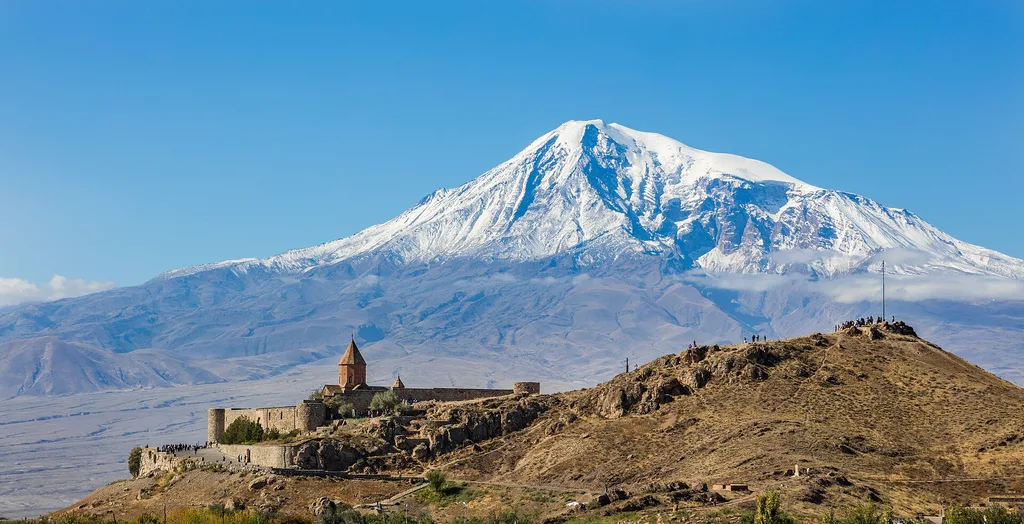
Kirakos Gandzaketsi and His Time
Kirakos Gandzaketsi (c. 1200/1202–1271) was one of the 13th-century Armenian historians and a student of Hovhannes Vanakan. His "History of the Armenians" is one of the few works in which the first Mongol invasions of Armenia are described through the eyes of an eyewitness. The historian himself was both a participant in and a victim of those events.
The name "Gavit Gandzaketsi" mentioned in the title of the topic needs clarification: in Armenian historiography the main witness of this period is Kirakos Gandzaketsi, and therefore the article relies on his work.
Who Was Kirakos Gandzaketsi?
Kirakos came from Gandzak. He received his education under Vanakan vardapet, whose schools operated in the monastic centers of Armenia: Khor Virap, the Getik Monastery and Khoranashat (Tavush). Later Kirakos lived in the monasteries of Getik and Khoranashat and maintained ties with the Armenian princely houses of Artsakh and Utik. His work covers Armenian history from early times to the 1260s, but the most valuable and original part is the last one: the description of events of his own time.
"History of the Armenians": Structure and Sources
The work consists of two parts. The first is a brief survey of the ancient period, for which Kirakos drew on earlier Armenian historical writing. The second, more valuable part concerns the 12th–13th centuries: Zakarid Armenia, the campaigns of Jalal ad-Din and the Mongol conquests. The passages about the Mongols are based on personal experience and on the accounts of eyewitnesses. The historian also pays great attention to church life, monasteries and vardapets.
The First Mongol Blow to Armenia
Kirakos describes how "the nation of archers", the Tatars, appeared within the borders of Armenia at the beginning of the 1220s. At that time Northern Armenia was under Zakarid rule, but the armies of Georgia and of the Armenian princes were unable to stop the new enemy. The initial incursions were mainly plundering in nature. The systematic conquest of the country began in the 1230s: around 1235 the Mongols captured Gandzak, then conquered Northern Armenia, namely Lori, Shirak and Ayrarat, and around 1236 also Ani, the ancient capital of the Armenians. The exact chronology of these events is discussed in detail in historiography, and the reader is advised to consult the multi-volume publication "History of the Armenian People".
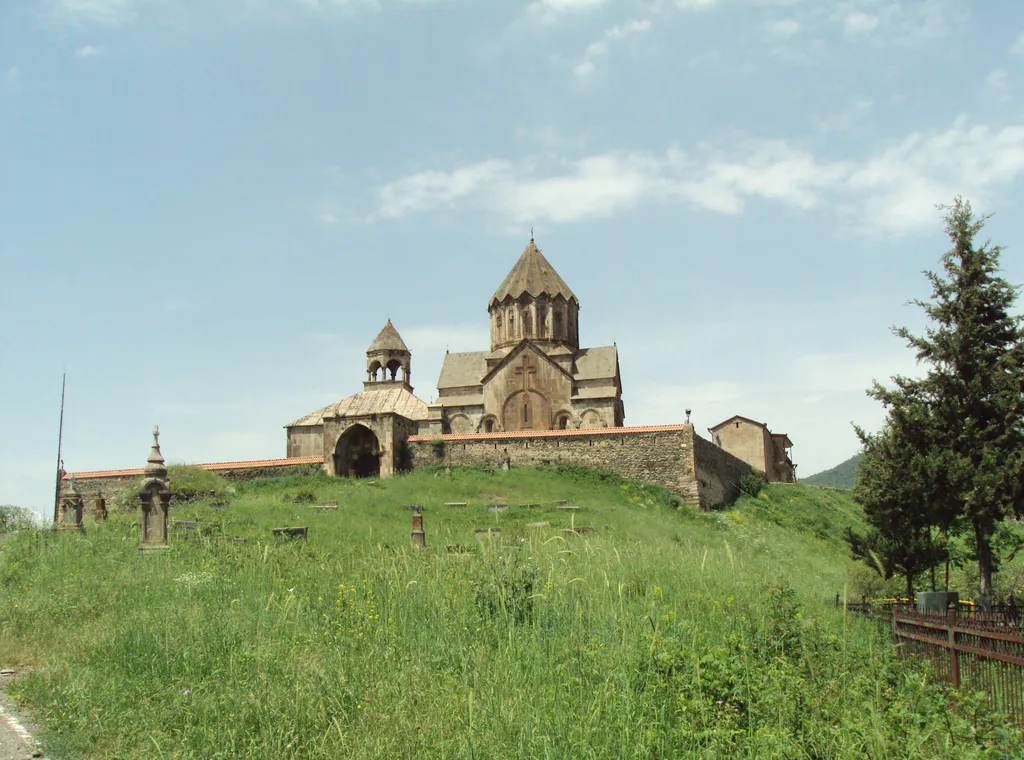
Artsakh and Northern Armenia under Mongol Rule
According to Kirakos, the princes of Artsakh, the Hasan-Jalalians, were eventually forced to recognize Mongol suzerainty in order to preserve what remained of the country. The historian shows that the Armenian princes tried to save the people through diplomacy, while heavy taxes, compulsory services and plundering continued. Armenian monasteries remained centers of culture and learning: Gandzasar and Dadivank continued to function in this period as well.
Captivity and Kirakos's Personal Experience
One of the most valuable parts of Kirakos's work is the story of his own captivity. In the 1230s he fell into the hands of the Mongols. He relates that in captivity he learned the Mongol language and script, served as a scribe, and thanks to this knowledge managed to escape and return to his native parts. This episode shows how an Armenian intellectual adapted to new realities and how education became a means of salvation.
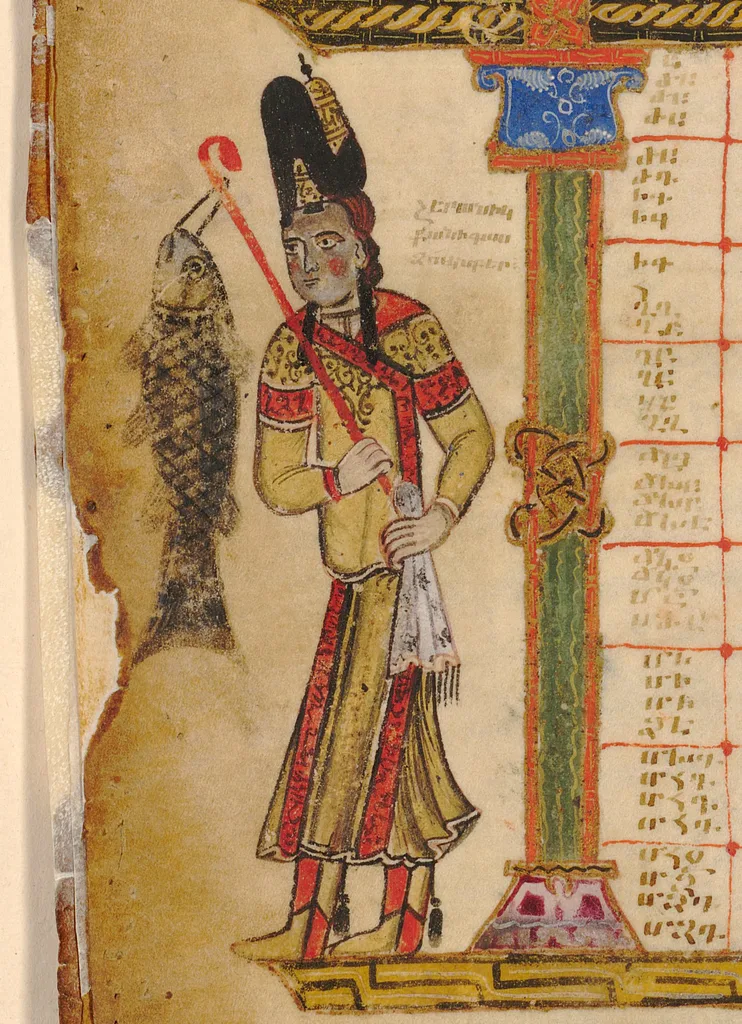
The Historian's Assessment and the Value of His Work
Kirakos describes the Mongols not as a faceless force, but attentively notes their customs, military organization and manner of governance. At the same time he does not hide the pain of his people's losses and the lack of unity among the Armenian princes. His history is a primary source for the beginning of Mongol rule in Armenia, the decline of the Zakarid principality and the position of the princely houses of Artsakh. It is a foundation for the study of 13th-century Armenian history.
Why Is It Important Today?
The work of Kirakos Gandzaketsi shows how the Armenian people survived a devastating conquest, preserving their church, learning and identity even in hard times. The monasteries of Artsakh, Gandzasar and Dadivank, are Armenian and are witnesses of this continuity. His history reminds us that written memory is an important factor in a people's survival.
Sources
- Kirakos Gandzaketsi — History of the Armenians
- History of the Armenian People (Institute of History of the Academy of Sciences of Armenia, multi-volume publication)
💬CommentsClick to read and leave a comment⌄
No comments yet. Be the first!