
Gregory of Narek's "Book of Lamentations": Prayer as Literature
Narekatsi and His Book
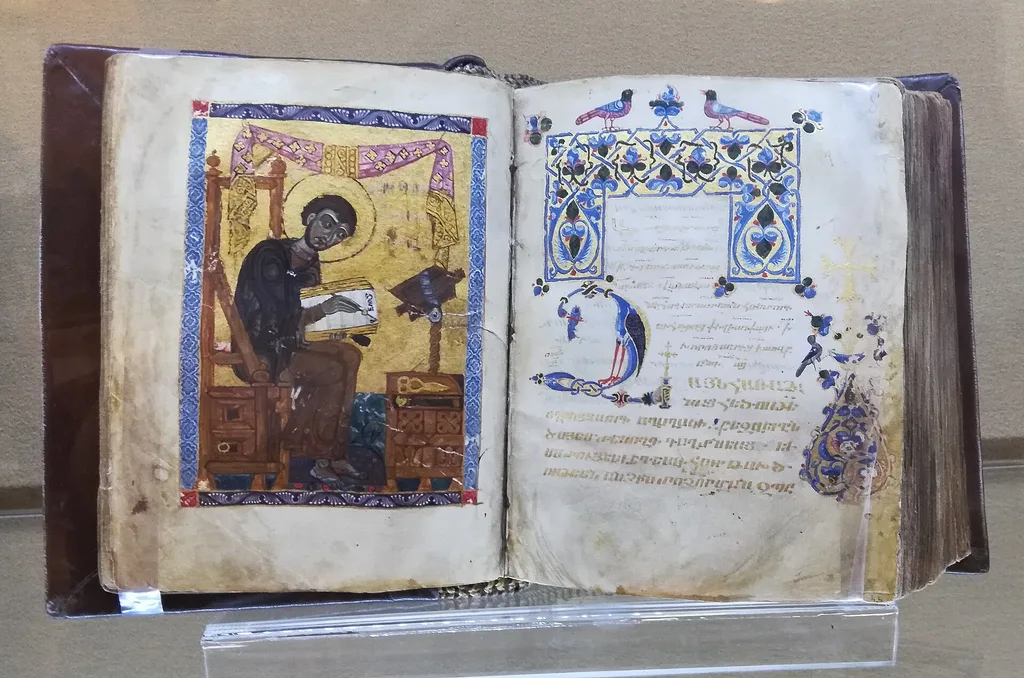
Grigor Narekatsi's "Book of Lamentation" (in the Armenian tradition simply "Narek") is one of the deepest and most original works of medieval Armenian culture. It is a collection of prayers, but at the same time high poetry, philosophical meditation and an uncompromising study of the human inner world. It is precisely this combination that makes "Narek" an exemplary case for the question of how prayer can become literature.
The Monastery of Narek
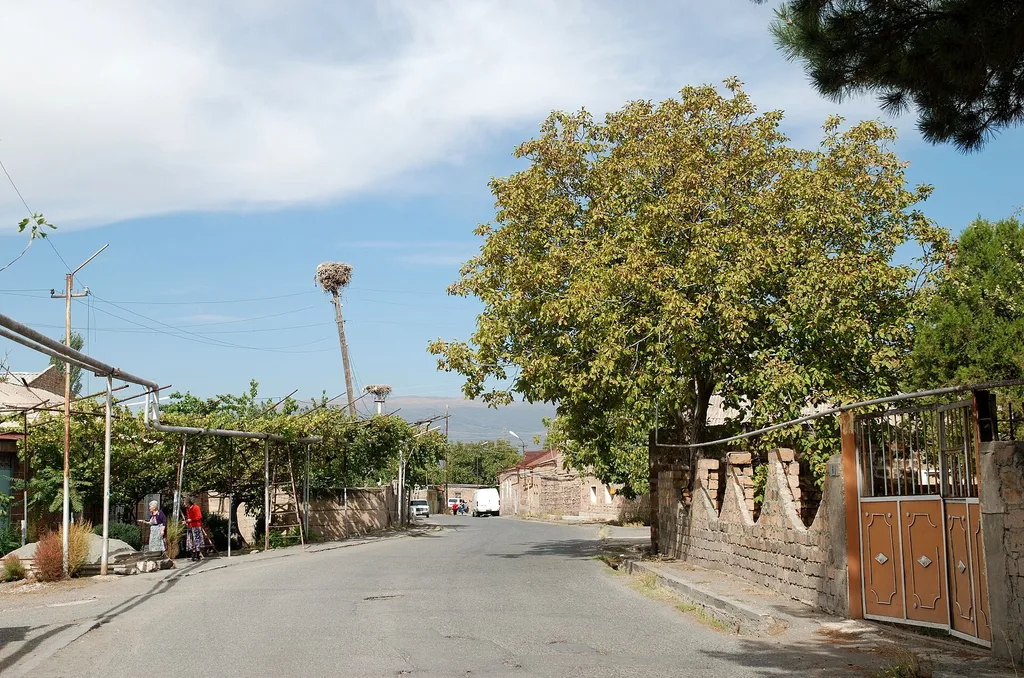
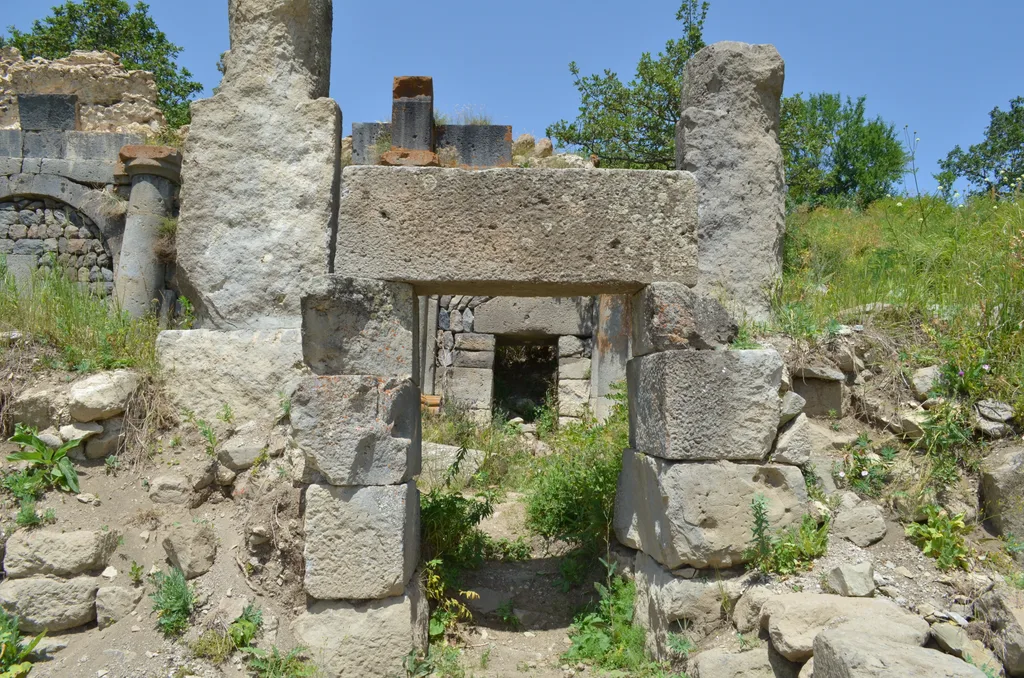
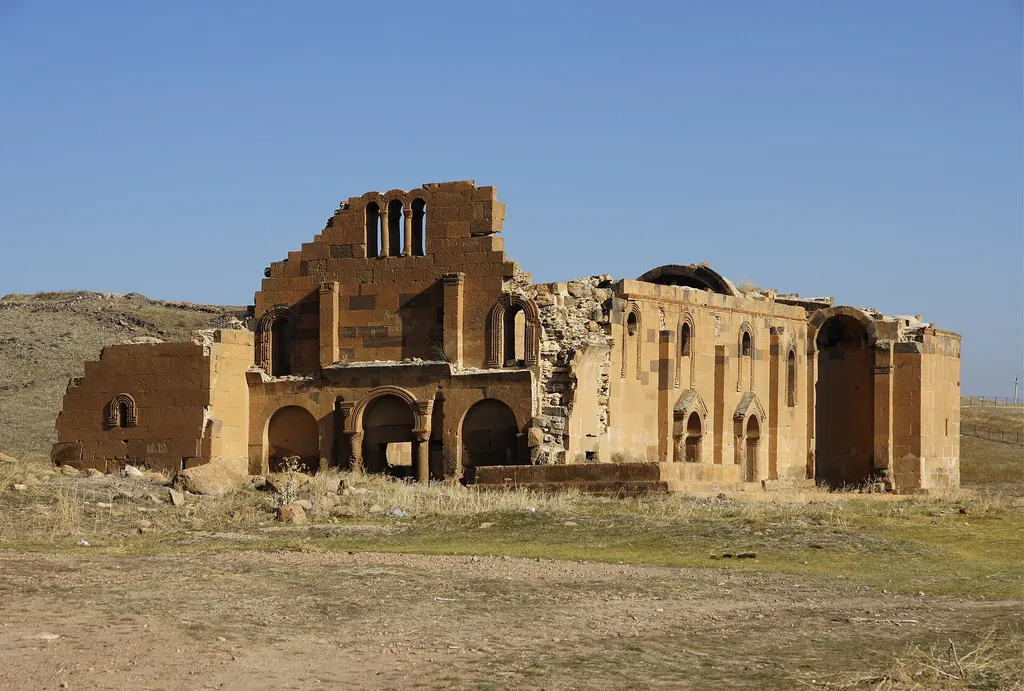
The Monastery of Narek was located in historical Vaspurakan, near the southern shores of Lake Van, in the district of Rshtunik, in the vicinity of the village of Narek. The monastery was founded in the 10th century, during the period of the Artsruni kingdom. It was known as a center of learning and manuscript copying: a school operated there, where theology, philosophy, grammar and music were taught. Vaspurakan, where the Artsrunis ruled, was in those centuries one of the important hearths of Armenian culture, and the school of Narek was part of that environment. The monastery survived until the Armenian Genocide of 1915, during which, like most Armenian monuments of Western Armenia, it was destroyed, and today there is no functioning Armenian complex on its site.
The Life of Grigor Narekatsi
Grigor Narekatsi was born around 951 (this date is often given as approximate). His father, Khosrov, was a bishop and writer, and the family was connected with the spiritual and literary milieu. After losing his mother in early childhood, Grigor was raised in the Monastery of Narek under the guidance of his relative and teacher, Anania Narekatsi. It was there that he became a vardapet, taught and wrote his works. The end of his life is placed at the beginning of the 11th century, around 1003. The Armenian Church canonized him, and in 2015 Pope Francis proclaimed him a Doctor of the Church.
Narekatsi's pen produced the "Book of Lamentation," the "Panegyrics" and "Odes" (Tagher), as well as a commentary on the Song of Songs, which was written at the request of an Artsruni prince. Among his works, the "Book" is the most renowned.
The Structure of the "Book of Lamentation"
The book consists of 95 prayers, or "words." Each word has its own title, which indicates the content in the form "a word with God from the depths of the heart." It was written in Classical Armenian (Grabar), in verse, as a rhythmic poem that uses rhyme, parallelism, sound repetition and antithesis. According to tradition, the book was written in the last years of Narekatsi's life, and the author himself called it the "book of lamentation." The author's commendatory instruction for the book includes an appeal to read it for the healing of the soul.
At the foundation of the book's movement lie the self-examination of the sinful person, repentance and hope in divine mercy. It contains images of inner struggle, shame and despair, which then change into words of trust and light. Narekatsi speaks not only in his own name: he regards himself as a representative of all humankind, and for this reason the book remains comprehensible to different generations.
Prayer as Literature
The literary innovation of "Narek" is its linguistic richness. Narekatsi creates new words, employs antitheses, plays with rhyme and sound, and draws on images of nature and everyday life to express inner drama. To ready-made forms of prayer he opposes a personal, almost confessional intonation. In the history of Armenian literature the book is considered one of the peaks of 10th-century Armenian poetry and one of the deepest works of all medieval Armenian literature. It is also often regarded as one of the principal examples of Armenian spiritual lyric poetry.
Role in the Armenian Spiritual and Literary Tradition
Among the Armenian people, "Narek" has been treated not only as literature but also as a sacred book. According to tradition, it was read at the bedside of the sick, during pilgrimages and in moments of trial, and a healing power was ascribed to it. The manuscripts have been copied many times, and copies of the book are preserved in the Matenadaran. The book has been translated into a number of languages, and modern editions, including translations into modern Armenian (Ashkharhabar), have made it accessible to a wide readership.
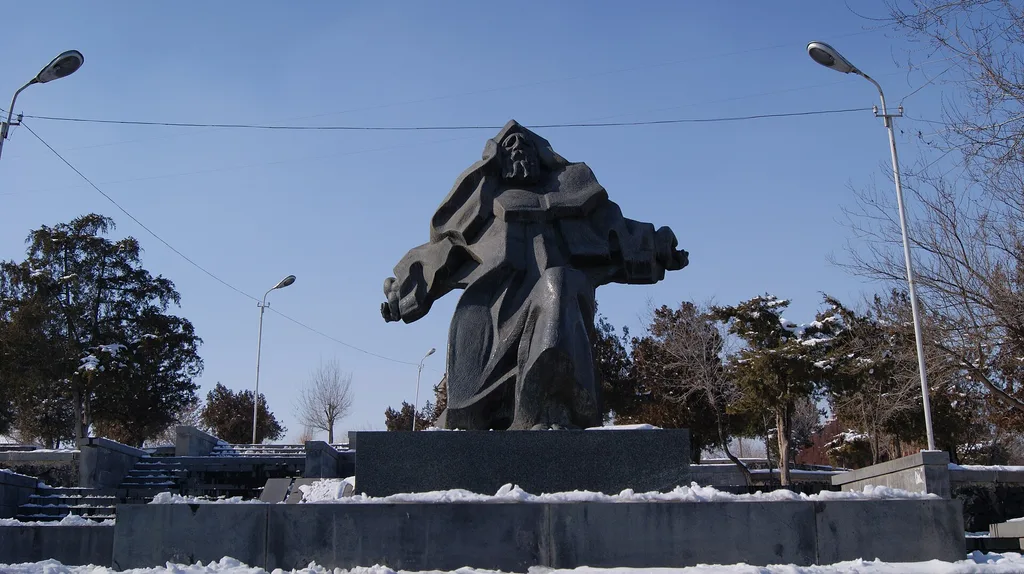
Armenian poets of later centuries, from Shnorhali to authors of modern times, lived under the influence of his linguistic and spiritual legacy. Narekatsi remains the figure of Armenian culture whose word unites faith, aesthetics and a sense of human responsibility.
Sources
- History of the Armenian People (multi-volume publication of the Institute of History of the Academy of Sciences of Armenia)
- Grigor Narekatsi — Book of Lamentation
- Armenian Soviet Encyclopedia
💬CommentsClick to read and leave a comment⌄
No comments yet. Be the first!