
The Beginning of the Armenian Genocide: April 24, 1915, in Constantinople
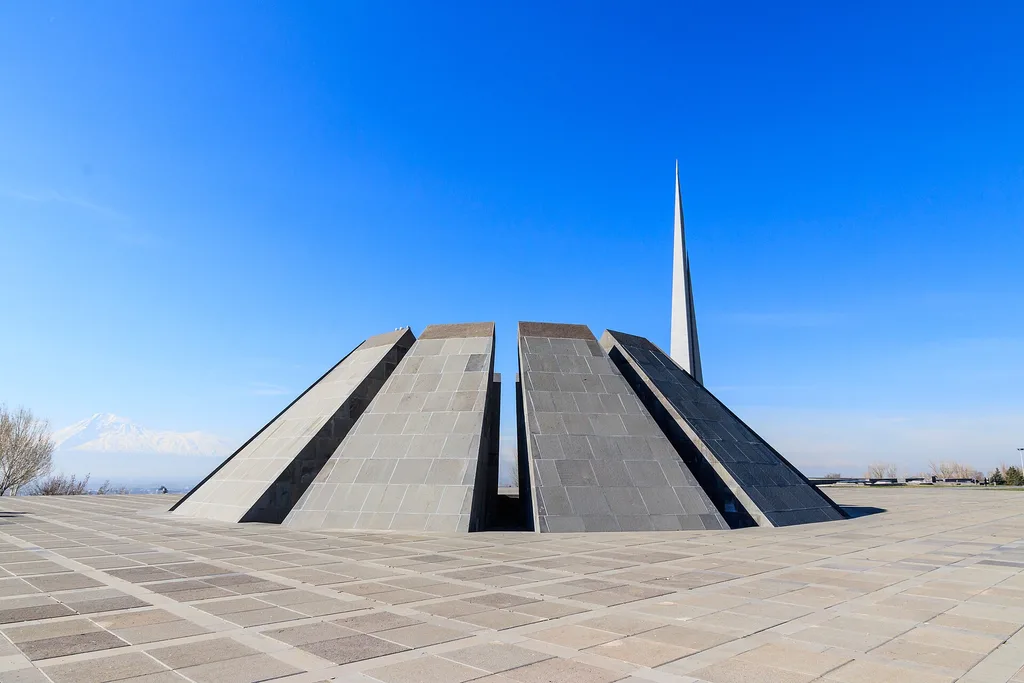
April 24: A Day of Remembrance and of Beginning
On the night of April 24, 1915, arrests of the Armenian intelligentsia began in Constantinople, the capital of the Ottoman Empire. It is from that day that the Armenian people count the beginning of the Armenian Genocide, although violence against Armenians, the disarming of conscripted soldiers and separate deportations had begun earlier in Western Armenia and in other parts of the empire. April 24 is symbolic: it showed that the blow was directed not only at the masses but also at the leaders of the nation, its ideological and cultural backbone.
What happened that night?
According to Armenian historiography, several hundred representatives of the Armenian intelligentsia, clergy, and public and party figures were arrested in Constantinople. The arrests continued over the following days and weeks. Many of those arrested were sent to interior provinces, in particular to Ayash and Chankiri. The sources give differing estimates of the exact number of those arrested, so we do not cite figures here; what matters is the deliberate, purposeful nature of the operation itself.
Who were the victims?
Among those arrested were such great figures of culture as:
- Komitas: composer, musicologist, vardapet, collector and arranger of Armenian folk and sacred music;
- Daniel Varuzhan: poet, author of the collections «Pagan Songs» and «The Song of Bread»;
- Siamanto (Atom Yarjanian): poet;
- Ruben Sevak (Chilingirian): poet and physician;
- Yervand Otian: writer, satirist.
Alongside them, editors, teachers, doctors, lawyers, clergymen and community figures were also arrested.
The fate of Komitas
Komitas was arrested and exiled to Chankiri, but was returned to Constantinople relatively soon, thanks to the intercession of influential people. However, what he had lived through and seen dealt a heavy blow to his mental health: he never recovered and spent the last years of his life in psychiatric hospitals, first in Constantinople, then near Paris. He died in 1935. Komitas's tragedy has become one of the symbols of the national and cultural loss of the Genocide.
Varuzhan, Siamanto, Ruben Sevak
Daniel Varuzhan and Siamanto were killed in August 1915 on the road of exile, while being taken from Ayash in the direction of Ankara. Ruben Sevak was also killed in August 1915, on the road with a group of deportees from Chankiri. According to the memoirs of survivors, the killings of these intellectuals were carried out not by trial but in the form of an organized massacre. Their works that managed to survive remain among the finest pages of Armenian literature today.
Why was the blow aimed at the intelligentsia?
Armenian historiography, including the materials of the Armenian Genocide Museum-Institute, regards the arrests as one of the first stages of the genocide plan. The aim was to deprive the Armenian people of its leaders, its voice and its capacity to organize, so that the subsequent deportations and massacres would meet minimal resistance. Richard Hovannisian and Peter Balakian likewise present this event as an important part of the genocidal policy.
Remembrance today
Every year on April 24, Armenians around the world pay tribute to the memory of the victims of the Armenian Genocide. In Yerevan, thousands of people gather at the Tsitsernakaberd memorial complex and the Armenian Genocide Museum-Institute. The night of April 24 reminds us not only of the losses, but also that Armenian culture, despite the genocide, continued to live: in the songs of Komitas, in the lines of Varuzhan and Siamanto.
Sources
- Peter Balakian — «The Burning Tigris: The Armenian Genocide and America's Response» (2003)
- Richard Hovannisian — «The Armenian Genocide: History, Politics, Ethics» (editor)
💬CommentsClick to read and leave a comment⌄
No comments yet. Be the first!