
The Battle of Sardarapat in May 1918
The Battle of Sardarapat in May 1918
In the spring of 1918, Eastern Armenia and Transcaucasia found themselves in a grave situation. After the collapse of the Russian army and the crisis of the Transcaucasian Seim (the Seim was dissolved on 26 May 1918), the Armenian people were left without allies. The Ottoman army was advancing toward Eastern Armenia. The issue concerned not only borders but the physical existence of the people: the Genocide of Armenians in Western Armenia was still a fresh wound, and hundreds of thousands of refugees had gathered in Eastern Armenia.
Background
In April 1918, Ottoman troops captured Kars, and in May they approached Alexandropol (Gyumri). After the collapse of the Transcaucasian front, Armenian units, volunteer detachments and refugees were retreating toward the Ararat Plain. Alexandropol fell in mid-May, and the road to Yerevan and Echmiadzin opened before the enemy. At that moment the future of Eastern Armenia depended on whether it would be possible to halt the advance.
Three directions: Sardarapat, Bash-Aparan, Gharakilisa
The enemy's advance proceeded in three main directions: toward Sardarapat and Echmiadzin, toward Bash-Aparan, and toward Gharakilisa (now Vanadzor). The command of the Armenian forces organized the defense on these three fronts. In the Sardarapat direction, the group led by General Movses Silikyan operated; at Bash-Aparan, General Drastamat Kanayan (Dro); at Gharakilisa, forces under the command of Arshak Jamalyan.
The Battle of Sardarapat
On 21–22 May, Ottoman troops captured Sardarapat station and approached the Araks valley. Armenian units, volunteer groups and the local peasantry launched a counterattack. Women and children also took part in the battle, helping with the supply of ammunition and food. The general mobilization of the people played a significant role. The church bells rang, calling the people to fight. In the battles of 22–26 May the enemy was defeated and retreated from Sardarapat. The multi-volume "History of the Armenian People" regards this victory as a turning point in the national struggle.
The Battles of Bash-Aparan and Gharakilisa
At Bash-Aparan, Armenian troops led by Dro and other commanders halted the enemy at the end of May. The battles near Gharakilisa were harder: the Armenian forces were forced to retreat there, but they inflicted considerable losses on the adversary and gained time. The resistance on the three fronts together prevented the complete destruction of the Armenian center.
Consequences
The battles of Sardarapat, Bash-Aparan and Gharakilisa prevented the complete occupation of Eastern Armenia and a new massacre of the Armenian population. On 28 May in Tiflis, the Armenian National Council proclaimed the independence of Armenia, and the First Republic of Armenia was established. On 4 June a treaty was signed in Batumi, under which Armenia was forced to accept harsh conditions and confine itself to a small territory around Yerevan and Sevan. Nevertheless, statehood was preserved.
Historical significance
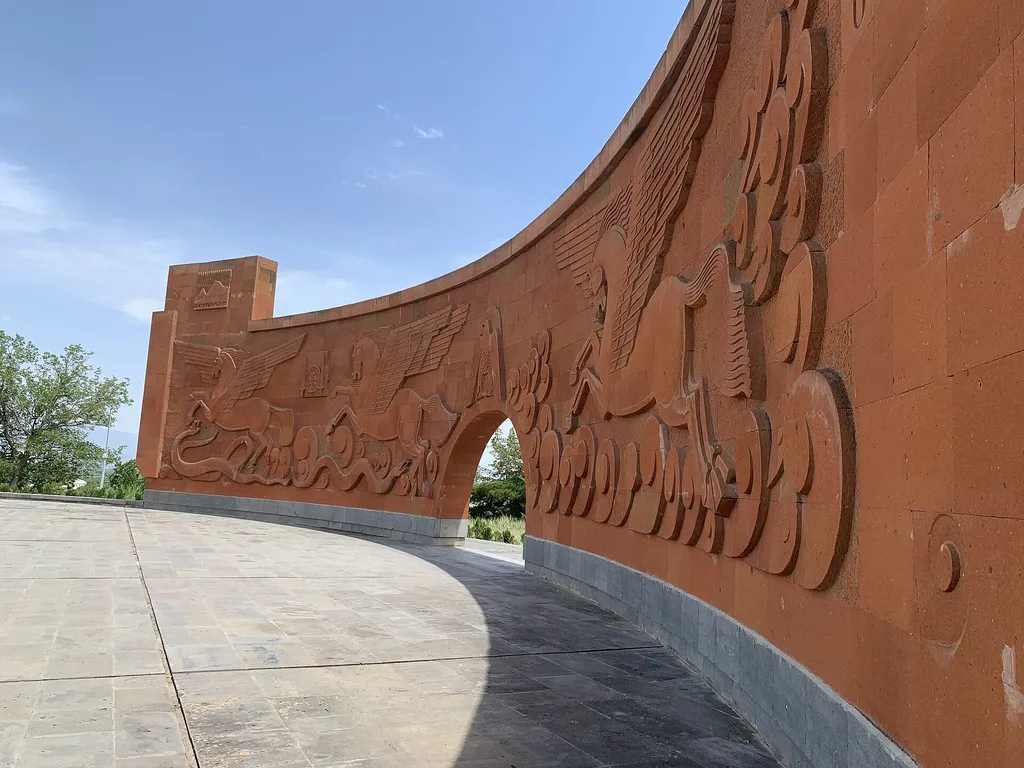
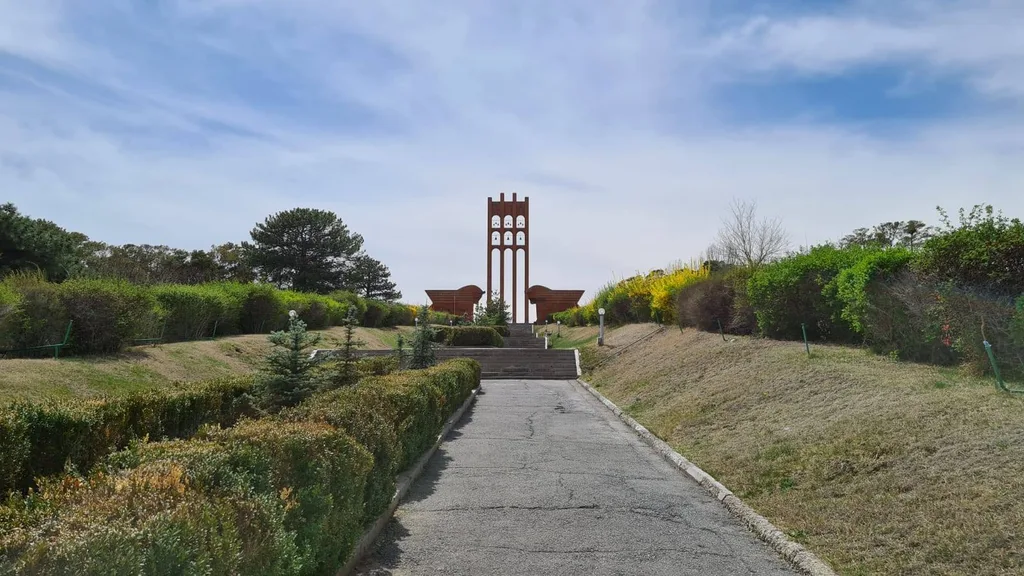
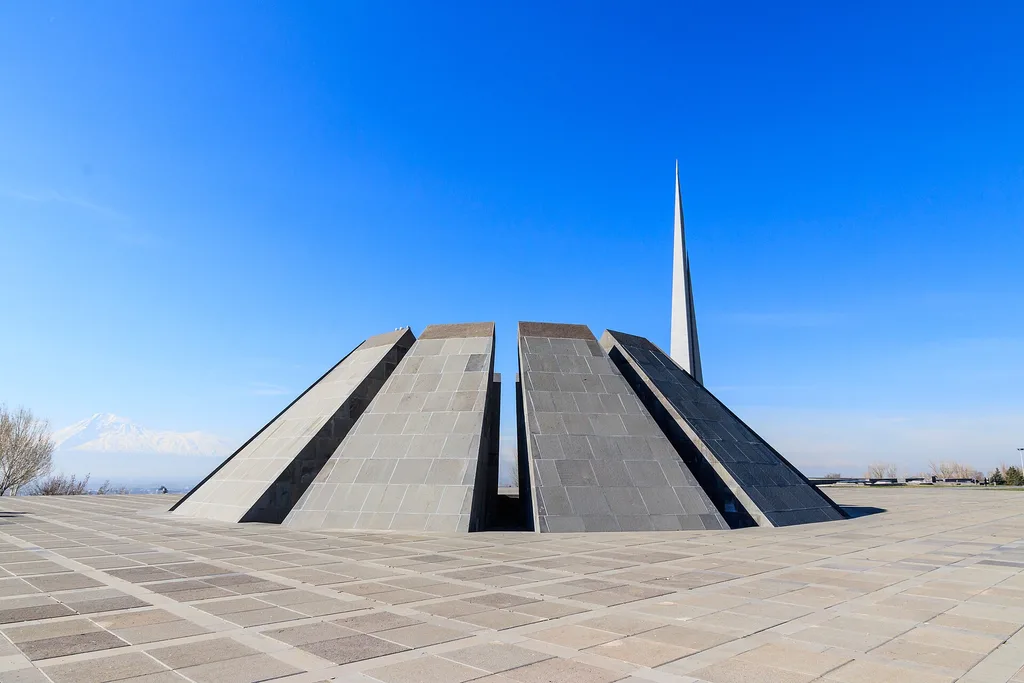
For the Armenian people, Sardarapat became not only a military victory but also a symbol of national spirit and self-defense. The Sardarapat Memorial (opened in 1968) stands here, beside which is the Museum of Armenian Ethnography and the National Liberation Struggle. May 28 is now celebrated as First Republic Day, and the heroic battle of Sardarapat remains one of the most important pages of Armenian history.
Sources
- History of the Armenian People (multi-volume), Institute of History, National Academy of Sciences of the Republic of Armenia
- Richard G. Hovannisian — The Republic of Armenia
💬CommentsClick to read and leave a comment⌄
No comments yet. Be the first!