
David Bek and the Liberation Struggle of Syunik in the 1720s
Syunik on the eve of the 1720s
At the beginning of the 18th century, Eastern Armenia was under the rule of the Persian Safavid state, which was weakening and in crisis. The Armenian population bore heavy taxes and religious and political pressure. In the mountainous region of Syunik, the local authority of Armenian meliks and tanuters had been preserved, and it was here that the center of armed struggle took shape.
The hope of external support was also important for Armenian liberation thought. In those years Armenian figures sought ties with Russia, and Peter the Great's campaign to the shores of the Caspian Sea (1722) raised great expectations. The belief was widespread in Armenian circles that the Russian army would help the Christian peoples of Transcaucasia. In reality, Russian armed aid never arrived.
David Bek and the beginning of the movement
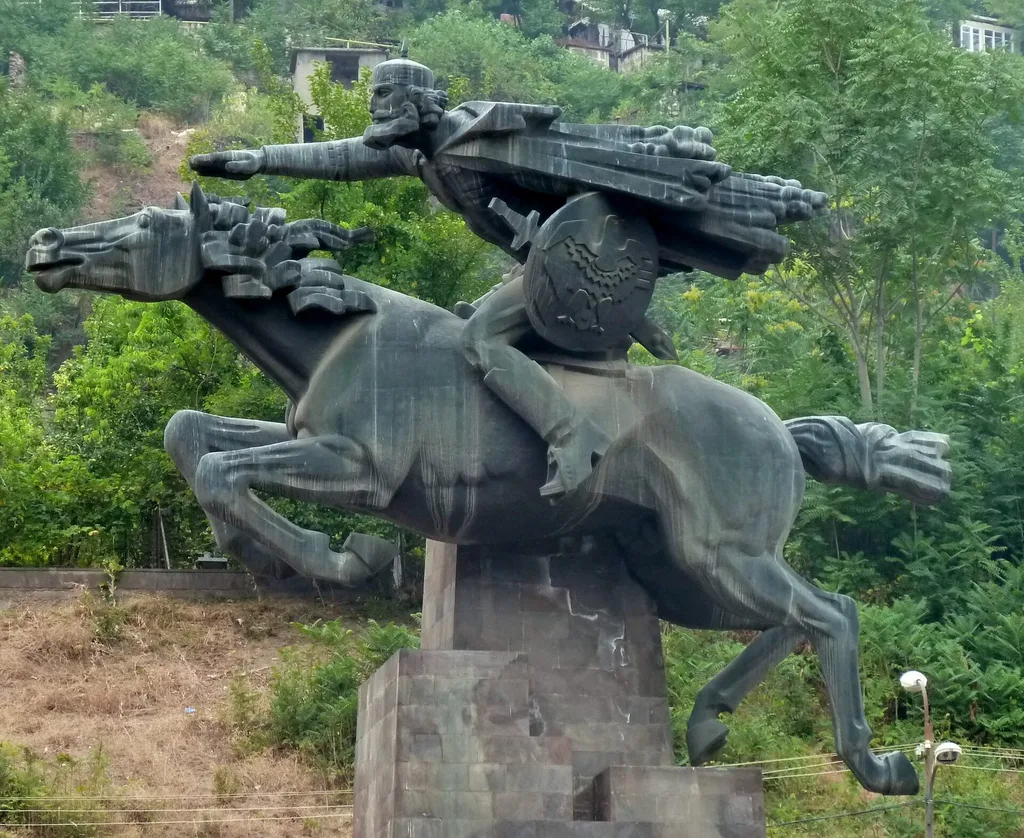
Early data about David Bek, the leader of the movement, are scarce. According to Armenian historiography, he came from an Armenian milieu in Syunik and had previously been connected with the circle of the Georgian king Vakhtang VI. There are some disagreements in the sources about the exact dates of his activity, so only what is generally accepted is noted here: the movement unfolded in the early 1720s, when political disintegration began in Persia.
The Armenian meliks of Syunik, the clergy and the people rallied around him. His close comrades-in-arms also played an important role, including Mkhitar Sparapet, who later assumed the military leadership of the movement.
The Fortress of Halidzor
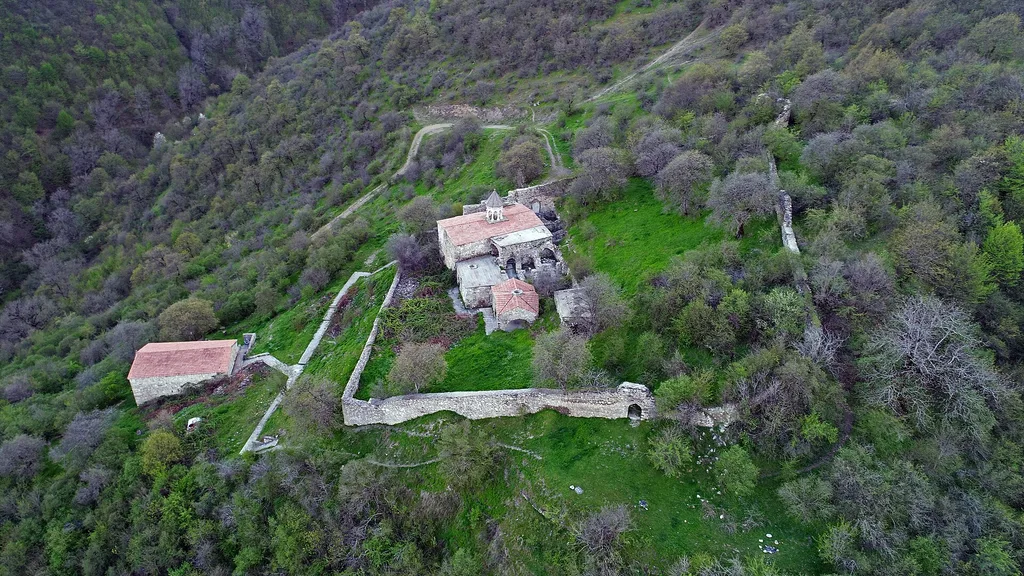
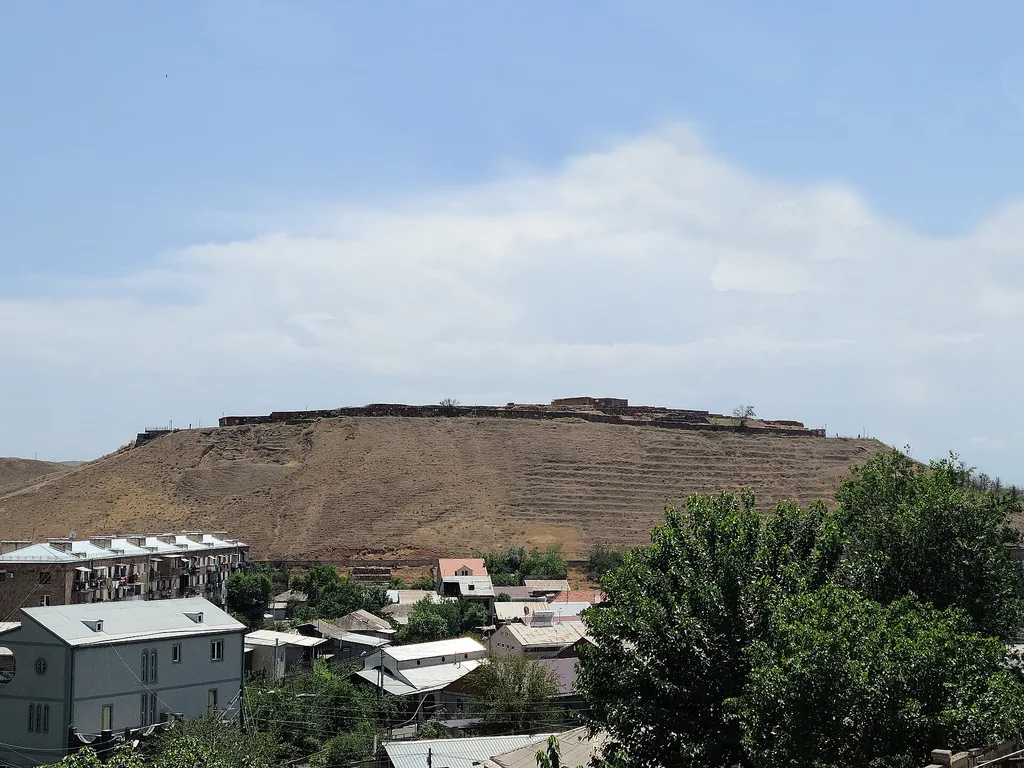
The fortress of Halidzor, located in the mountainous territory of Syunik, became the symbol of the movement. Its mountain position and narrow, difficult-to-pass approaches made it a convenient stronghold for defense. After the liberation of Syunik in 1722–1725, Halidzor became the main center of the Armenian forces, the center of independent Armenian authority, where the leadership of the movement was based, and in February–March of 1727 the heroic defense of the fortress took place here.
The defense of Halidzor remained in Armenian national memory as an example of self-defense for freedom. The battles around the fortress showed that mountainous Syunik could become a base for Armenian autonomous authority.
Military successes
Over several years the Armenian forces managed to maintain control over a significant part of Syunik and to repel enemy attacks. Armenian historiography emphasizes that the entire people took part in the struggle, not only the military, and that the movement relied on its own forces.
During the movement a local Armenian authority was established, which organized defense and governance. The exact figures of military successes, the scale of losses and the chronology of individual battles differ in various studies, so we do not give more specific figures.
The death of David Bek and the continuation of the movement
There are divergent readings in the sources about the date and circumstances of David Bek's death, and historiography is not unified on this question. It is generally accepted that after his death the leadership of the movement was taken by Mkhitar Sparapet, who continued the struggle until his murder in 1730. Thus the liberation struggle did not cease after the departure of its leader.
Fact and tradition
Within the scope of historical fact are the existence of the movement, the key role of Halidzor, the participation of the meliks and the people, and the leadership of Mkhitar Sparapet. Belonging to the sphere of tradition and literary treatment are the romantic features of the leader's image, oral stories and artistic descriptions of battles.
Raffi's novel «David Bek» and other literary works made this period of Syunik a living part of Armenian culture. A literary text, however, is not a chronological source, and it should be read as an expression of memory, not as an exact record of facts.
The significance of the struggle
The struggle of Syunik showed that the Armenian people are capable of defending their homeland and autonomy by arms even in difficult conditions. It became an important link in the Armenian national liberation tradition, which served later generations as memory and example. The Armenian identity of Syunik, its churches and monasteries, and the melik tradition were at the foundation of this struggle.
To this day, the name of David Bek is associated in Armenian public consciousness with courage, self-defense and the idea of the homeland's freedom.
Sources
- History of the Armenian People (Institute of History of the Armenian Academy of Sciences, multi-volume publication)
💬CommentsClick to read and leave a comment⌄
No comments yet. Be the first!