
Hannibal and Artashat: two different stories about one city
Introduction
There are few episodes in the history of Armenia that are repeated so often and examined so little. The sentence "Artashat was built by Hannibal" is found in textbooks, travel guides, and hundreds of articles. But when we turn to the primary sources, the picture becomes much more complex.
There are two separate traditions: Greco-Roman and Armenian. They do not complement each other, but simply tell different stories. In this article, we present both without giving preference to either, and show where their strengths and weaknesses lie.
Historical context: what was happening in 190-180 BC
After the Second Punic War, having been defeated at the Battle of Zama (202 BC), Hannibal Barca continued to act as a statesman in Carthage for some time. Under pressure from Rome, he left his homeland around 195 BC and found refuge at the court of the Seleucid king Antiochus III the Great.
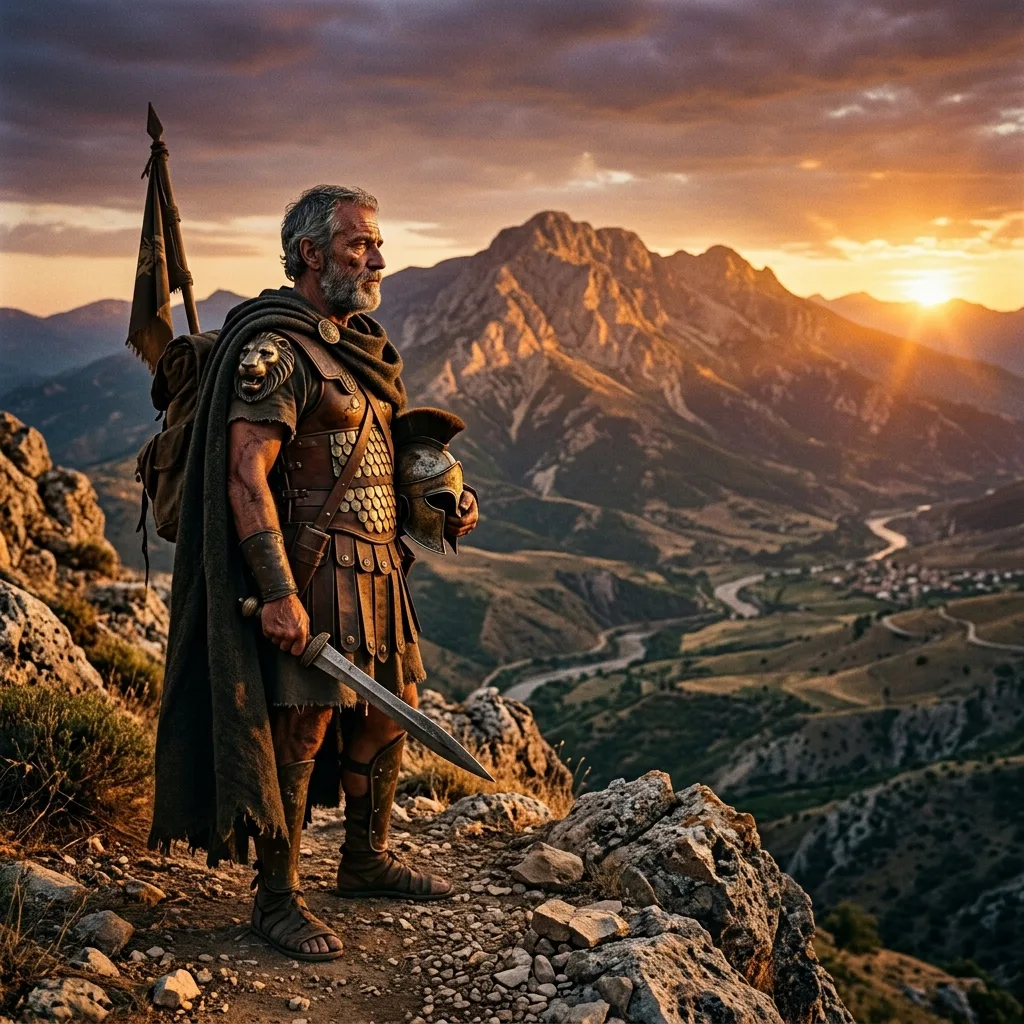
In 190 BC, the Romans defeated Antiochus at the Battle of Magnesia. Two years later, by the Treaty of Apamea, the Seleucid Empire lost most of its territories in Asia Minor. Rome directly demanded the surrender of Hannibal, and he was on the run again.
It was at this moment of collapse that Artaxias I, the Seleucid governor of Greater Armenia, declared himself a sovereign king and founded the Artaxiad dynasty. His reign is confirmed not only by written sources, but also by material evidence: Aramaic boundary stones found in various parts of Armenia bearing his name and title. These two events—Hannibal's flight and the establishment of Artaxias' rule—coincide chronologically. It is this coincidence that lies at the heart of the whole story.
Version one: the Greco-Roman tradition
What does Plutarch write?
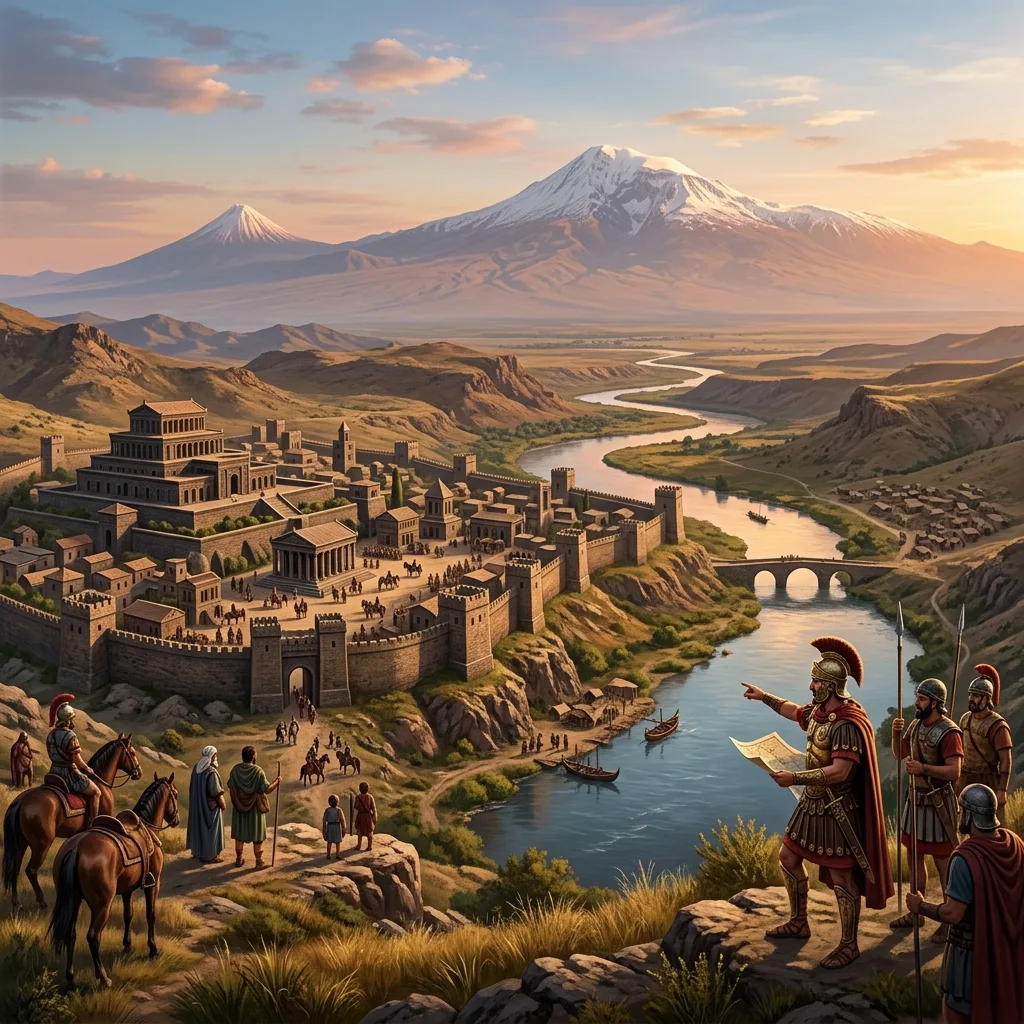
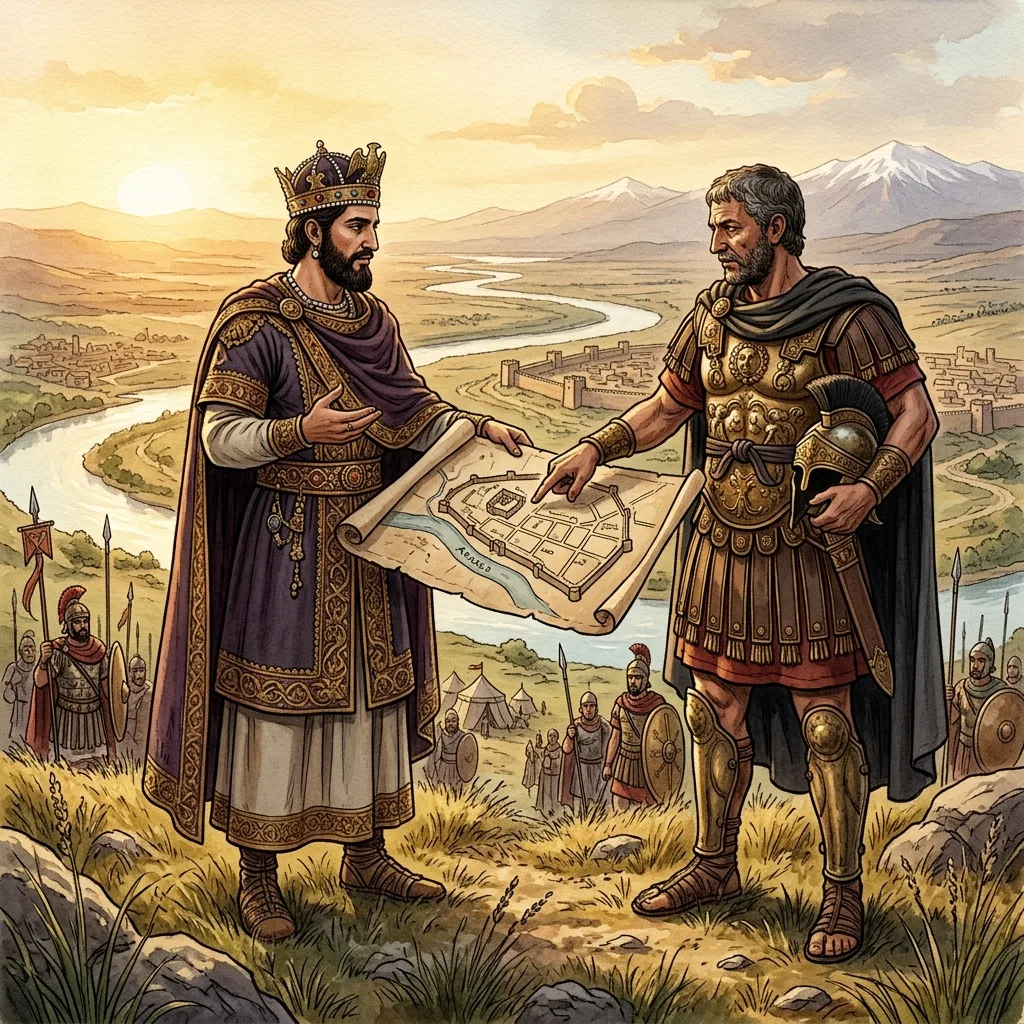
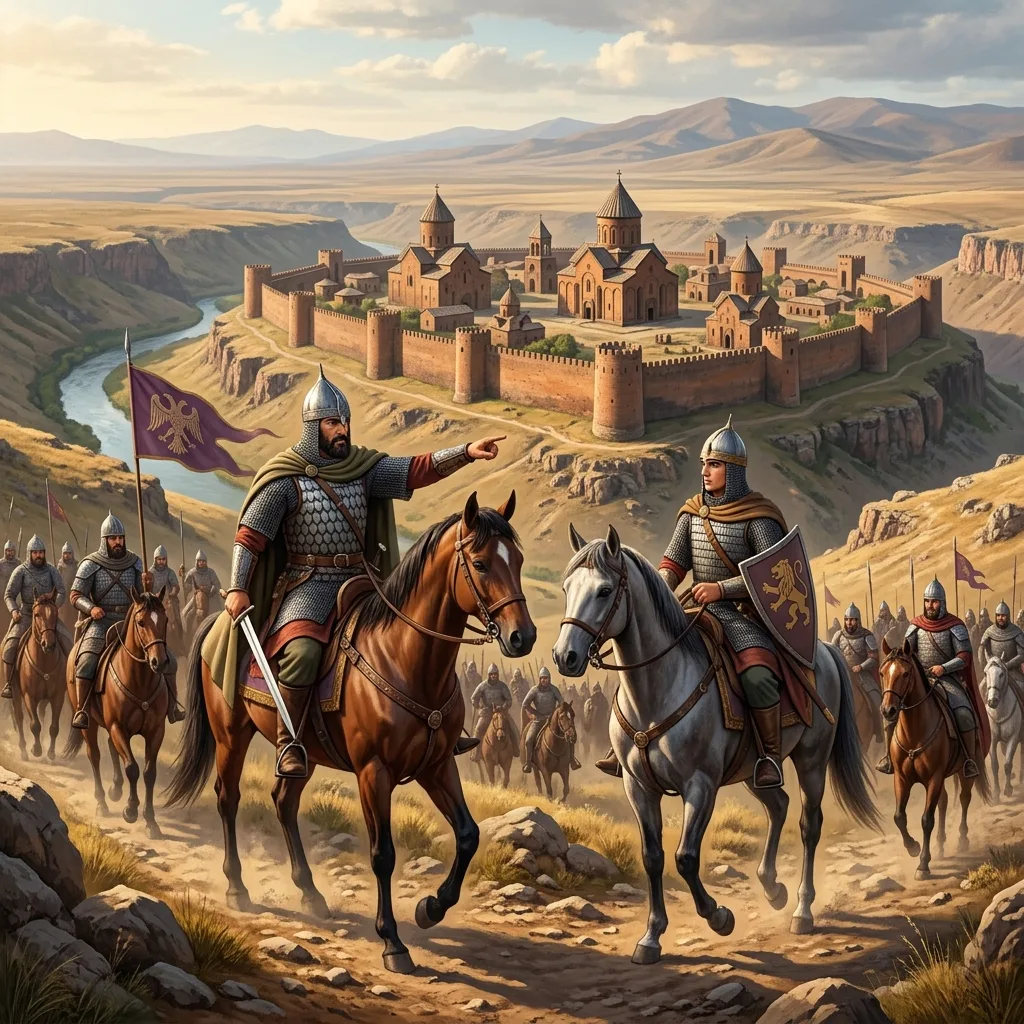
The most detailed account is preserved in the chapter "Lucullus" of Plutarch's "Parallel Lives" (1st-2nd centuries AD). According to his narrative, after the defeat of Antiochus, Hannibal arrives at the court of Artaxias and becomes his advisor. Walking along the banks of the Araxes, he notices a site excellent for city construction: protected, rich in water, and situated on trade routes. Hannibal drafts a plan for the city and presents it to the king. Artaxias, inspired by the result, names the city after himself: Artashat.
What does Strabo write?
Strabo, in Book XI of his "Geography" (early 1st century AD), also links the foundation of Artashat with Hannibal, stating that the city was built on his instruction or design. Strabo's testimony is earlier and more concise than Plutarch's, but the main claim remains the same.
Why is this version appealing?
- Two independent Greco-Roman authors say the same thing, suggesting the existence of a common early source.
- The chronological window of 189-183 BC theoretically allows for such a visit.
- Artashat's layout, with a fortress system situated on hills, indeed exhibits Hellenistic urban planning principles.
Why is this version doubtful?
- Both Strabo and Plutarch wrote 150-300 years after the events.
- In ancient Greco-Roman historiography, the custom of attributing the foundation of cities to famous names was common as a literary device.
- The generally accepted route of Hannibal's last years is to Crete and then to Bithynia, where he died around 183 BC. A stay in Armenia has no clear place in this itinerary.
- No archaeological find in Artashat is directly linked to Hannibal.
Version two: the Armenian tradition
What does Movses Khorenatsi write?
In the second book of Khorenatsi's "History of Armenia", the foundation of Artashat is described in considerable detail, and Hannibal's name is completely absent.
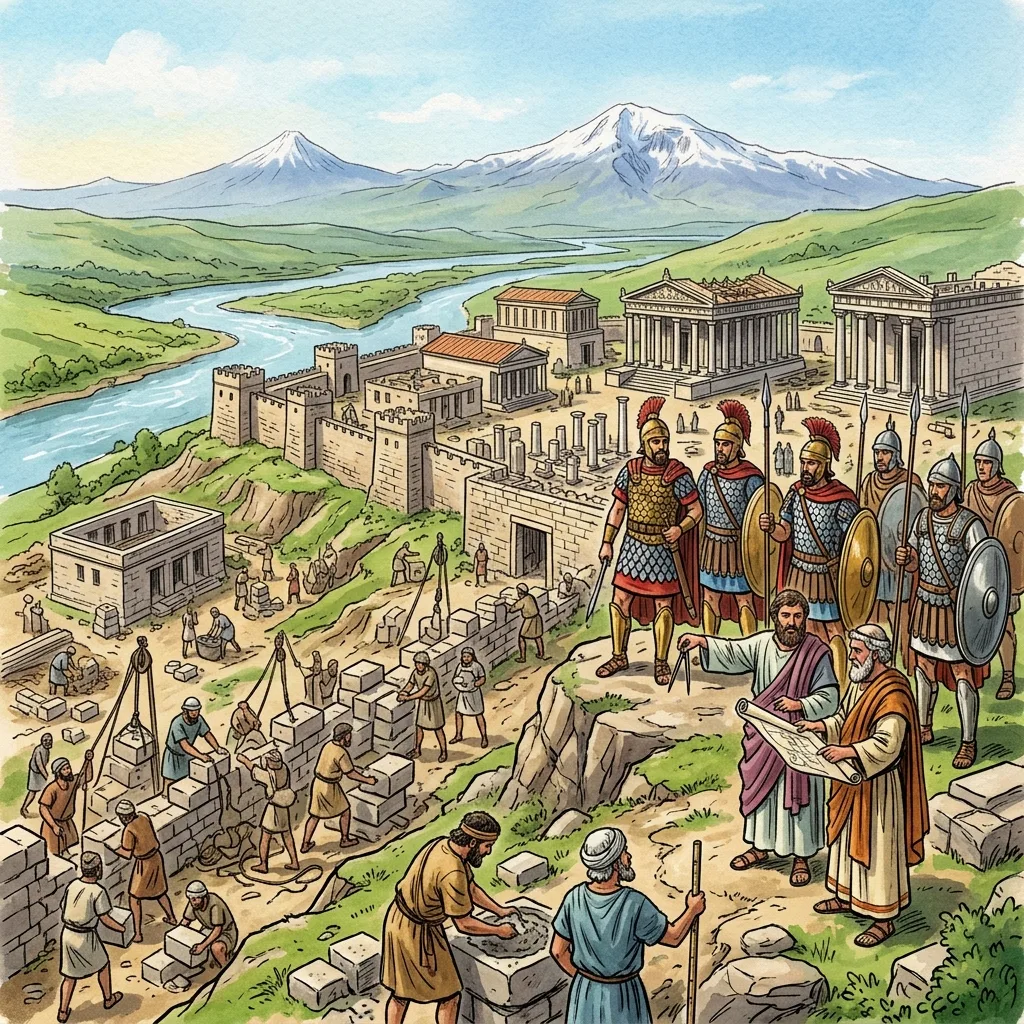
According to Khorenatsi, Artaxias himself goes and finds the suitable location on the hills at the confluence of the Araxes and Metsamor. He builds the city there, fortifies it, transfers the population from Armavir and other places, as well as the cult idols, making Artashat not only an administrative but also a religious center.
Other Armenian historians
In Armenian medieval historiography in general, the figure of Hannibal is practically absent in the context of Artashat. This cannot be an accidental omission: if the tradition existed in the Armenian environment, it is difficult to imagine that such an impressive detail would be completely ignored.
Why is this version important?
- It reflects the local Armenian historical memory, which developed independently of the Greco-Roman tradition.
- The location described by Khorenatsi—on the banks of the Araxes, in the area of the Khor Virap hills—has been confirmed by archaeology. Excavations, which began in the second half of the 20th century, have revealed the remains of a vast Hellenistic city in that very area.
- It gives a more realistic picture of the logic behind the capital's foundation as a state-building step, rather than the inspiration of a foreign guest.
Why should this version also be read with caution?
- The final dating of Khorenatsi's work is controversial in scholarship; options ranging from the 5th century to the 8th-9th centuries have been proposed. In other words, he too wrote centuries after the events.
- In Khorenatsi's narrative, historical information is often interwoven with folklore and genealogical material.
What does archaeology say?
Over the years, excavations of Artashat have revealed a large urban complex spread over 12 hills, with defensive walls, baths, workshops, and a rich material culture, which testifies to close ties with the Hellenistic world.
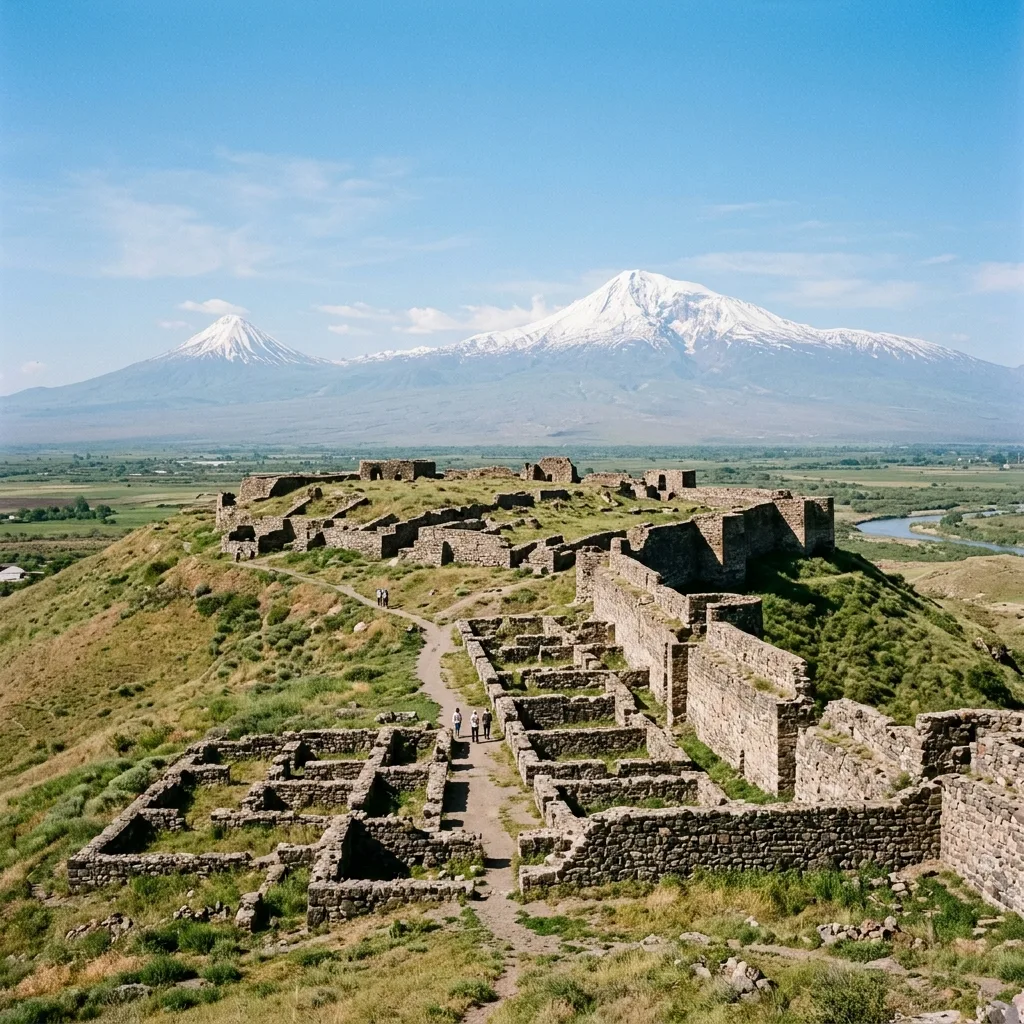
However, archaeology cannot resolve this dispute. It confirms that the city existed in the specified location and had a Hellenistic character, but the identity of the designer cannot be excavated from the soil. Hellenistic urban planning principles were widespread throughout the Near East at that time and do not require the presence of a specific Carthaginian general.
Afterwards: The fate of Artashat
Artashat remained one of the main cities of Armenia for about four centuries. It lost its status as the capital when Tigranes the Great founded Tigranocerta, but later regained its role. During the Roman-Parthian wars, the city was destroyed several times, most severely in the 1st century AD during the campaign of the Roman general Corbulo.
Conclusion
The correct answer, however unsatisfying it may sound, is this: we do not know.
We have two traditions, both recorded late, both having strengths and weaknesses. The Greco-Roman one provides an impressive story through two independent authors. The Armenian one provides a more sober narrative, the geographical details of which are confirmed by excavations.
The most honest formulation is that Hannibal's participation in the foundation of Artashat is possible, but not proven. And what is proven is no less impressive: in the 2nd century BC, the Armenian king founded a city that remained one of the most important centers of the region for centuries.
Sources
- Plutarch, "Parallel Lives": Lucullus, ch. 31
- Strabo, "Geography", Book XI
- Movses Khorenatsi, "History of Armenia", Book II
- Livy, "History of Rome": on the Battle of Magnesia and the Treaty of Apamea
- Cornelius Nepos, "Hannibal": on the last years of Hannibal's life
- Publications of the archaeological excavations of Artashat (Institute of Archaeology and Ethnography, NAS RA)
- Studies on the Aramaic boundary stones of Artaxias I

💬CommentsClick to read and leave a comment⌄
No comments yet. Be the first!