
Toros Roslin and the School of Miniature Painting in the Centers of Sis and Hromkla
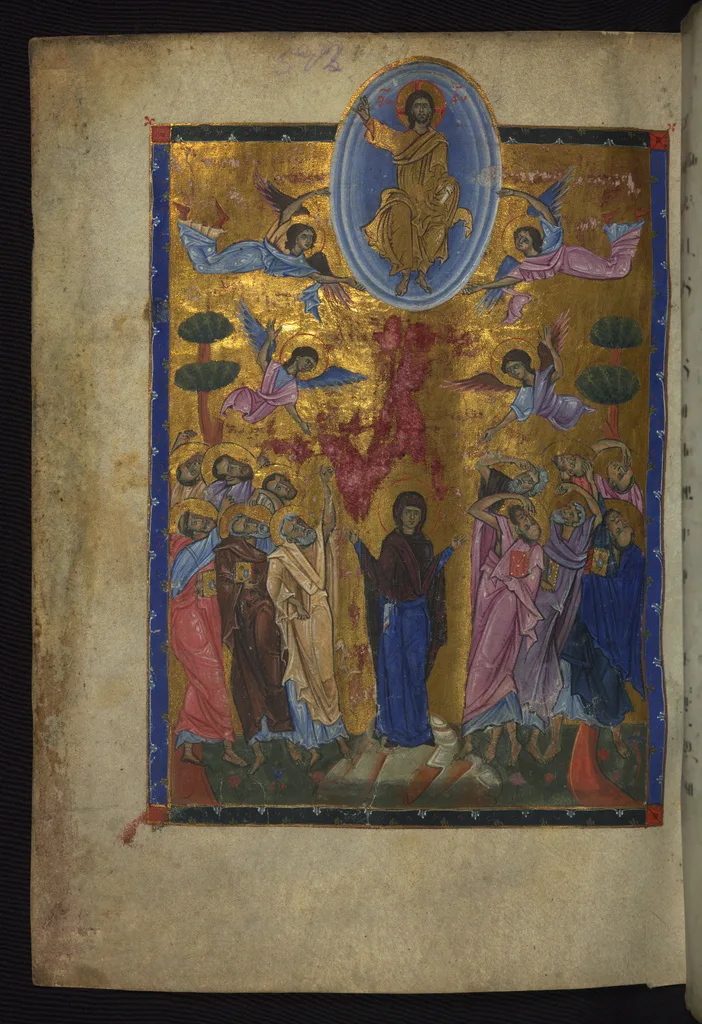
The Glory of Cilician Miniature Painting
The 13th century was a period of political and cultural flourishing for the Armenian Kingdom of Cilicia. In that era the art of Armenian calligraphy and miniature painting reached a high degree of perfection. The most prominent figure of this art is Toros Roslin. He was a scribe and miniaturist who worked approximately in 1256–1268. The brightest page of Cilician manuscript art is associated with his name.
Hromkla and Sis: Two Centers
Hromkla was the seat of the Catholicos of the Armenian Church from 1149 until 1292, when the fortress was captured by the Mamluks of Egypt. A large scriptorium operated there. Sis was the capital of the Armenian Kingdom of Cilicia and was also an important manuscript center. The Sis school was closely connected with the royal court. Later, in the 14th century, Sargis Pitsak worked there. The art of the two centers mutually enriched each other. Toros Roslin's activity is closely connected with Hromkla, and the circle of patrons of his manuscripts also included the royal court.
The Art of Toros Roslin
Roslin's style is characterized by richness of color, abundant use of gold, the lively expressiveness of human figures, and the delicacy of ornament. On the basis of the traditional Armenian miniature painting, he also assimilated certain elements of the art of the Eastern Christian world and of the West. Sirarpie Der Nersessian, one of the leading scholars of Cilician miniature painting, emphasizes the perfection of Roslin's art. In her opinion, this art is among the summits of Armenian miniature painting. Manuscripts belonging to Roslin are identified both by colophons and by stylistic features.
The Zeytun Gospel
The Zeytun Gospel was created in 1256 in Hromkla. It is one of Roslin's well-known early works. The manuscript was kept in Zeytun for a long time and became the property of the local Surenian-Basilian princely house (according to the Matenadaran's data), and it is now in the Matenadaran. The painter's attention to detail, compositional clarity, and rich coloring are visible here. The Gospel is one of the vivid examples of Cilician miniature painting.
The Malatia Gospel
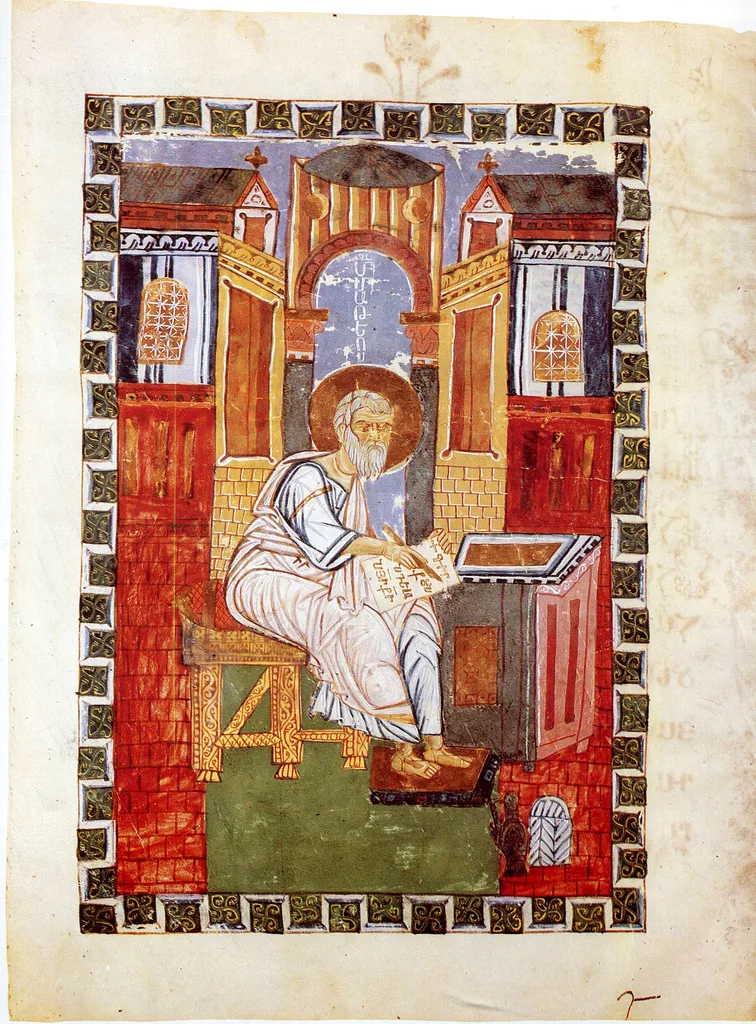
The Malatia Gospel was created in 1268. It is one of Roslin's most famous works. The manuscript is also kept in the Matenadaran. In these miniatures his craftsmanship reaches perfection: in the shaping of figures, the expressiveness of faces, and the balance of colors. The scribe's name is preserved in the colophon, which allows the manuscript to be attributed to him with confidence.
Royal and Catholicosal Commissions
Roslin also worked for the royal house of Cilicia and for the Catholicosate. Gospels connected with the court of King Hetum I were created by his hand. Some of them are kept in the library of the monastery of St. James of the Armenian Patriarchate of Jerusalem. These manuscripts display the splendor of royal commissions: gilded ornaments, richly illustrated canon tables, and dedicatory images. They also attest to the high cultural level of the Armenian court of Cilicia.
Roslin's Legacy
Roslin's art influenced later miniaturists, including the masters of the Sis school. His manuscripts are kept today in the Matenadaran and in the library of the Armenian Patriarchate of Jerusalem, as well as in some foreign collections. They are a valuable part of Armenian culture and recall the heights that Cilician Armenian art had reached in the 13th century.
Sources
- Sirarpie Der Nersessian — Armenian Art
- Sirarpie Der Nersessian — Miniature Painting in the Armenian Kingdom of Cilicia from the Twelfth to the Fourteenth Century
- History of the Armenian People (Institute of History of the Academy of Sciences of Armenia)
💬CommentsClick to read and leave a comment⌄
No comments yet. Be the first!